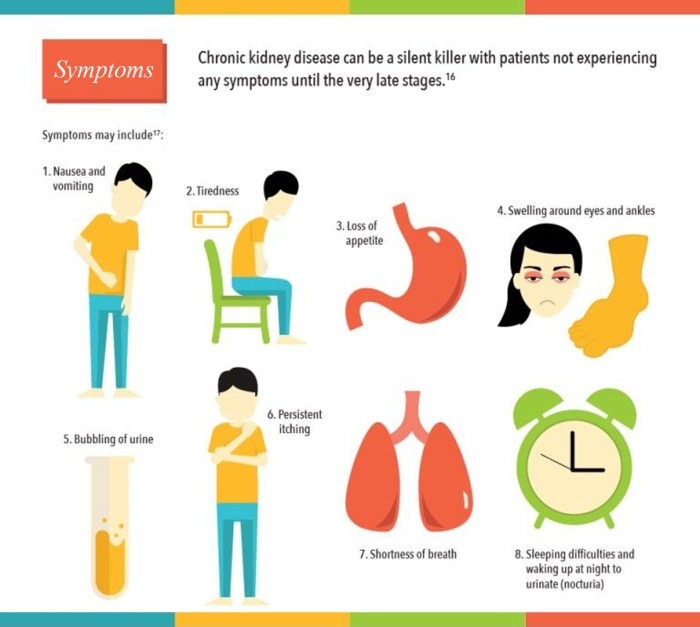
Exploring the realm of chronic diseases, this introduction delves into the various symptoms one might encounter, showcasing the importance of early detection and effective management strategies.
As we navigate through the types, impacts, and risk factors associated with chronic diseases, it becomes evident that a proactive approach to healthcare is crucial for overall well-being.
Symptoms of Chronic Diseases
Chronic diseases are long-lasting conditions that can significantly impact a person’s quality of life. These diseases often have common symptoms that individuals may experience, regardless of the specific condition they have. Some of the typical symptoms associated with chronic diseases include fatigue, pain, inflammation, and difficulty performing daily activities.
Variability of Symptoms
Symptoms of chronic diseases can vary greatly depending on the specific condition a person has. For example, individuals with diabetes may experience symptoms such as frequent urination, increased thirst, and unexplained weight loss. On the other hand, individuals with asthma may experience symptoms like shortness of breath, wheezing, and chest tightness. It is essential to recognize that symptoms can manifest differently in each person, making early detection crucial for effective management.
Early Detection for Better Management
Early detection of symptoms associated with chronic diseases is key to better management and treatment outcomes. By recognizing and addressing symptoms promptly, individuals can work with healthcare providers to develop a comprehensive care plan that focuses on symptom management, lifestyle modifications, and appropriate medical interventions. Regular screenings, monitoring, and awareness of potential symptoms can help individuals take proactive steps towards maintaining their health and well-being.
Types of Chronic Diseases

Chronic diseases are long-lasting conditions that can impact a person’s quality of life and require ongoing management. There are various types of chronic diseases, each with its own set of symptoms and treatment options.
Cardiovascular Diseases
- Cardiovascular diseases affect the heart and blood vessels, leading to conditions such as heart disease, stroke, and high blood pressure.
- Symptoms may include chest pain, shortness of breath, fatigue, and irregular heartbeat.
- Commonly diagnosed cardiovascular diseases include coronary artery disease, heart failure, and hypertension.
Respiratory Diseases
- Respiratory diseases impact the lungs and airways, causing conditions like asthma, chronic obstructive pulmonary disease (COPD), and lung cancer.
- Symptoms can include coughing, wheezing, shortness of breath, and chest tightness.
- Examples of commonly diagnosed respiratory diseases are asthma, bronchitis, and emphysema.
Diabetes
- Diabetes is a chronic condition that affects how your body uses blood sugar (glucose).
- Symptoms of diabetes include increased thirst, frequent urination, unexplained weight loss, and fatigue.
- There are two main types of diabetes: type 1 diabetes, which is usually diagnosed in childhood, and type 2 diabetes, which is more common in adults.
Autoimmune Diseases
- Autoimmune diseases occur when the immune system mistakenly attacks healthy cells in the body.
- Symptoms vary depending on the specific condition but can include fatigue, joint pain, rashes, and inflammation.
- Examples of autoimmune diseases include rheumatoid arthritis, lupus, and multiple sclerosis.
Impact of Chronic Diseases
Chronic diseases can have long-lasting effects on overall health, significantly impacting an individual’s quality of life and daily activities. Understanding the impact of these conditions is crucial for effective management and coping strategies.
Long-term Effects on Overall Health
Chronic diseases, such as diabetes, heart disease, and arthritis, can lead to a range of complications that affect various organ systems in the body. These conditions can increase the risk of developing other health issues and may require ongoing medical treatment and monitoring to prevent further deterioration.
Effect on Quality of Life
The symptoms and limitations associated with chronic diseases can greatly reduce a person’s quality of life. Pain, fatigue, mobility issues, and emotional distress are common challenges faced by individuals living with chronic conditions. These factors can impact daily activities, relationships, and overall well-being.
Managing the Impact on Daily Activities
Effective management of chronic diseases involves a combination of medical interventions, lifestyle modifications, and emotional support. Engaging in regular physical activity, following a healthy diet, taking prescribed medications, and attending medical appointments are essential steps in managing the impact of chronic diseases on daily activities. Additionally, seeking support from healthcare professionals, therapists, and support groups can help individuals cope with the challenges posed by chronic conditions.
Risk Factors for Chronic Diseases
Chronic diseases can be influenced by a variety of risk factors that can impact an individual’s health in the long term. Understanding these factors is crucial in taking preventive measures to reduce the risk of developing chronic diseases.
Common Risk Factors for Chronic Diseases
- Family history of chronic diseases
- Age
- Genetics
- Gender
Lifestyle Choices and Risk of Chronic Diseases
- Unhealthy diet high in processed foods and sugar
- Lack of physical activity
- Smoking and excessive alcohol consumption
- Poor stress management
Preventive Measures to Reduce Risk of Chronic Diseases
- Adopting a balanced and nutritious diet
- Regular exercise and physical activity
- Avoiding tobacco and limiting alcohol intake
- Managing stress through relaxation techniques
- Regular health check-ups and screenings
In conclusion, understanding the symptoms of chronic diseases is the first step towards a healthier future. By recognizing the signs, individuals can take control of their health and make informed decisions to lead a fulfilling life.
Frequently Asked Questions
What are some less common symptoms of chronic diseases?
Less common symptoms may include unexplained weight loss, extreme fatigue, or persistent skin changes.
Can chronic diseases be prevented through lifestyle changes alone?
While lifestyle changes play a significant role in prevention, genetic predispositions and other factors also contribute to the development of chronic diseases.
How can one differentiate between normal bodily changes and symptoms of a chronic disease?
Consulting with a healthcare provider for regular check-ups and discussing any persistent or concerning symptoms can help differentiate between normal changes and potential signs of a chronic disease.


