
As Chronic Disease Lifestyle Changes takes center stage, this opening passage beckons readers into a world crafted with good knowledge, ensuring a reading experience that is both absorbing and distinctly original.
Chronic diseases have a significant impact on individuals and society, highlighting the importance of lifestyle changes in managing these conditions effectively. This article delves into the key aspects of dietary modifications, physical activity, mental health, stress management, and sleep quality in the context of chronic disease management.
CHRONIC DISEASES
Chronic diseases are long-term conditions that typically progress slowly over time and often do not have a cure. These conditions require ongoing management to control symptoms and prevent complications. Examples of chronic diseases include diabetes, heart disease, cancer, and hypertension.Chronic diseases have a significant impact on individuals and society as a whole. They can reduce quality of life, limit daily activities, increase healthcare costs, and contribute to premature mortality.
Managing chronic diseases often requires regular medical visits, medications, lifestyle changes, and sometimes invasive procedures, placing a burden on both patients and healthcare systems.
Common Risk Factors Associated with Chronic Diseases
- Poor diet: Consuming high amounts of processed foods, sugar, salt, and unhealthy fats can increase the risk of developing chronic diseases like diabetes, obesity, and cardiovascular conditions.
- Lack of physical activity: Sedentary lifestyles contribute to the development of chronic diseases such as heart disease, stroke, and osteoporosis.
- Tobacco use: Smoking and tobacco consumption are major risk factors for lung cancer, heart disease, and respiratory conditions.
- Excessive alcohol consumption: Heavy drinking can lead to liver disease, hypertension, and other chronic conditions.
- Genetics: Family history of certain chronic diseases can increase an individual’s susceptibility to developing the same conditions.
CHRONIC DISEASE LIFESTYLE CHANGES
Managing chronic diseases often requires making significant lifestyle changes to improve overall health and quality of life. These changes can help prevent the progression of the disease and reduce symptoms.
Importance of Lifestyle Changes
Lifestyle modifications play a crucial role in managing chronic diseases by addressing underlying risk factors and improving overall well-being. Some key lifestyle changes include:
- Regular exercise: Physical activity can help control weight, reduce inflammation, and improve cardiovascular health, which are essential for managing conditions like diabetes and heart disease.
- Healthy diet: Eating a balanced diet rich in fruits, vegetables, whole grains, and lean proteins can help regulate blood sugar levels, lower cholesterol, and reduce the risk of complications.
- Stress management: Chronic stress can exacerbate symptoms of various diseases, so practicing relaxation techniques like meditation or yoga can help improve mental health and overall wellness.
- Quitting smoking: Tobacco use is a major risk factor for many chronic conditions, so quitting smoking can significantly reduce the risk of developing complications.
Effectiveness of Lifestyle Changes vs. Medications
While medications are often necessary to manage symptoms and control disease progression, lifestyle changes are equally important for long-term management. In some cases, lifestyle modifications can even reduce the need for certain medications or lower their dosage.
DIETARY MODIFICATIONS
Making changes to your diet can have a significant impact on managing chronic diseases and improving overall health.
Specific dietary modifications tailored to common chronic conditions like diabetes, hypertension, and heart disease can help control symptoms, reduce complications, and enhance quality of life.
Diabetes
- Focus on a balanced diet rich in fruits, vegetables, whole grains, lean proteins, and healthy fats.
- Avoid foods high in sugar, saturated fats, and processed carbohydrates.
- Monitor carbohydrate intake and distribute it evenly throughout the day to help regulate blood sugar levels.
- Stay hydrated and limit consumption of sugary beverages.
- Consult with a registered dietitian to create a personalized meal plan.
Hypertension
- Reduce sodium intake by limiting salt and processed foods.
- Incorporate potassium-rich foods like bananas, sweet potatoes, and leafy greens.
- Choose lean proteins, whole grains, and heart-healthy fats.
- Opt for low-fat dairy products and unsweetened beverages.
- Monitor portion sizes and aim for a balanced diet to maintain a healthy weight.
Heart Disease
- Emphasize foods high in fiber like fruits, vegetables, legumes, and whole grains.
- Include fatty fish rich in omega-3 fatty acids, such as salmon and mackerel.
- Limit saturated fats, trans fats, and cholesterol by choosing lean meats and reducing processed foods.
- Reduce consumption of sugary treats, sugary drinks, and high-sodium foods.
- Cook at home more often to have better control over ingredients and preparation methods.
PHYSICAL ACTIVITY
Regular physical activity plays a crucial role in improving outcomes for individuals with chronic diseases. It not only helps in managing symptoms but also contributes to overall better health and quality of life.
Suitable Exercises for Different Chronic Conditions
- Cardiovascular diseases: Aerobic exercises such as walking, cycling, or swimming can help improve heart health and endurance.
- Diabetes: Both aerobic exercises and strength training are beneficial in managing blood sugar levels and increasing insulin sensitivity.
- Arthritis: Low-impact exercises like swimming, yoga, or tai chi can help improve joint flexibility and reduce pain.
- Chronic respiratory diseases: Breathing exercises and activities like walking can improve lung function and respiratory efficiency.
Importance of Regular Physical Activity in Preventing Disease Progression
Regular physical activity not only helps in managing chronic diseases but also plays a crucial role in preventing disease progression. It can help in controlling weight, improving cardiovascular health, enhancing flexibility and strength, and boosting overall well-being. Consistency in physical activity is key to reaping these benefits and preventing further complications associated with chronic conditions.
MENTAL HEALTH AND STRESS MANAGEMENT
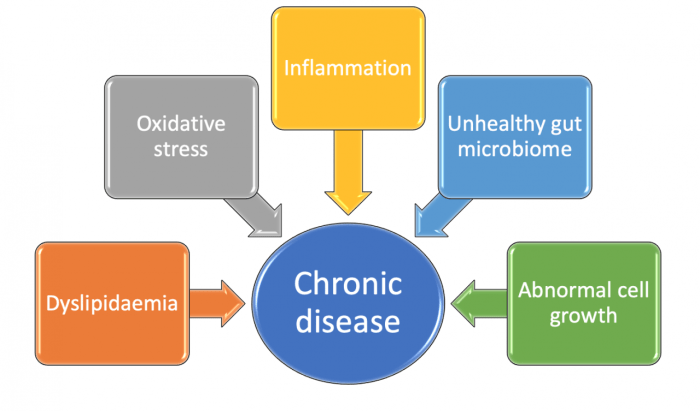
Maintaining good mental health and effectively managing stress are crucial components in the overall well-being of individuals, especially those dealing with chronic diseases. The link between mental health, stress, and chronic illnesses is intricate and can significantly impact the progression and management of these conditions.
Strategies for Managing Stress and Improving Mental Well-being
Chronic disease diagnosis can be overwhelming and stressful, leading to negative impacts on mental health. It is essential to adopt strategies to manage stress effectively and improve mental well-being:
- Practice relaxation techniques such as deep breathing exercises, meditation, or yoga to reduce stress levels.
- Engage in regular physical activity, as it can help alleviate stress and improve mood through the release of endorphins.
- Seek support from friends, family, or a mental health professional to talk about your feelings and concerns related to your chronic illness.
- Establish a routine that includes time for self-care activities that bring you joy and relaxation.
- Avoid isolating yourself and prioritize social connections to combat feelings of loneliness and anxiety.
Benefits of Mindfulness Practices in Reducing the Impact of Chronic Diseases
Mindfulness practices involve being present in the moment and cultivating awareness of thoughts and emotions without judgment. These practices can offer significant benefits in reducing the impact of chronic diseases:
- Reduction in stress levels and anxiety, leading to improved overall mental well-being.
- Enhanced ability to cope with the challenges of living with a chronic illness through increased resilience and emotional regulation.
- Improved quality of life by fostering a positive outlook, gratitude, and acceptance of the present moment.
- Better management of pain and symptoms associated with chronic diseases through increased self-awareness and self-care.
- Enhanced focus and concentration, which can help individuals navigate the complexities of managing their chronic condition effectively.
SLEEP AND REST
Quality sleep plays a crucial role in managing chronic diseases as it allows the body to repair, recharge, and regulate various bodily functions. Lack of proper sleep can have detrimental effects on overall health and exacerbate chronic conditions.
Tips for Improving Sleep Hygiene
- Avoid stimulants like caffeine and nicotine close to bedtime.
- Establish a regular sleep schedule by going to bed and waking up at the same time every day.
- Create a relaxing bedtime routine to signal to your body that it’s time to sleep.
- Ensure your sleep environment is conducive to rest, with comfortable bedding and a cool, dark room.
- Avoid screens and electronic devices before bed as they can disrupt sleep patterns.
Relationship Between Sleep Disturbances and Chronic Conditions
Sleep disturbances, such as insomnia or sleep apnea, can worsen chronic conditions like diabetes, heart disease, and obesity. Poor sleep can lead to inflammation, insulin resistance, and hormonal imbalances, all of which can negatively impact chronic disease management.
In conclusion, embracing lifestyle changes is crucial in the management of chronic diseases, offering a holistic approach to improving health outcomes and overall well-being. By making informed choices and prioritizing healthy habits, individuals can empower themselves to lead fulfilling lives despite health challenges.
Detailed FAQs
How important are lifestyle changes in managing chronic diseases?
Lifestyle changes play a crucial role in managing chronic diseases by addressing underlying risk factors and promoting overall health and well-being.
What are some examples of dietary modifications for chronic conditions?
Specific dietary recommendations for common chronic conditions like diabetes, hypertension, and heart disease include reducing salt intake, limiting sugar consumption, and increasing fiber-rich foods.
Why is physical activity essential for individuals with chronic diseases?
Physical activity can improve outcomes for individuals with chronic diseases by enhancing cardiovascular health, reducing inflammation, and promoting better overall functioning.
How does stress impact chronic diseases?
Stress can exacerbate chronic conditions by triggering inflammatory responses and affecting immune function, highlighting the importance of stress management in disease prevention and management.
What role does sleep play in managing chronic diseases?
Quality sleep is essential for managing chronic diseases as it supports immune function, cognitive processes, and overall health, emphasizing the need for good sleep hygiene practices.


