
As Chronic Pain and Disease takes center stage, this opening passage beckons readers with engaging insights into the complexities of chronic pain and its relationship with various diseases. From understanding the nature of chronic pain to exploring effective management strategies, this topic delves deep into a crucial aspect of healthcare.
Chronic pain is a pervasive issue affecting millions worldwide, with its roots in various conditions and factors. By shedding light on its causes and implications, we aim to provide a comprehensive overview that empowers individuals to navigate this challenging terrain with knowledge and resilience.
Understanding Chronic Pain
Chronic pain is defined as persistent pain that lasts for weeks, months, or even years. It differs from acute pain, which is a temporary sensation triggered by tissue damage or injury. Chronic pain can be debilitating and significantly impact an individual’s daily life.
Conditions Causing Chronic Pain
- Arthritis: Conditions like osteoarthritis and rheumatoid arthritis can cause chronic joint pain.
- Back Pain: Issues like herniated discs, spinal stenosis, or muscle strains can lead to ongoing back pain.
- Migraines: Chronic migraines can cause severe and recurrent headaches, affecting daily activities.
- Fibromyalgia: A disorder characterized by widespread musculoskeletal pain, fatigue, and sleep issues.
Impact on Quality of Life
Chronic pain can have a significant impact on an individual’s quality of life, affecting their physical and mental well-being. It can lead to decreased mobility, sleep disturbances, mood changes, and limitations in daily activities. Managing chronic pain requires a comprehensive approach involving medical treatment, lifestyle modifications, and emotional support.
Causes of Chronic Pain
Chronic pain can have various causes, ranging from physical injuries to underlying medical conditions and lifestyle factors. Understanding these causes is crucial in managing and treating chronic pain effectively. Inflammation and psychological factors also play significant roles in the development and persistence of chronic pain conditions.
Physical Injuries
Injuries such as fractures, sprains, and repetitive strain injuries can lead to chronic pain if not properly treated or managed. The damage to tissues and nerves from these injuries can result in long-lasting pain that persists beyond the initial healing period.
Medical Conditions
Underlying medical conditions like arthritis, fibromyalgia, and neuropathy can cause chronic pain. These conditions involve abnormalities in the nervous system or musculoskeletal system, leading to ongoing pain and discomfort for the affected individuals.
Lifestyle Factors
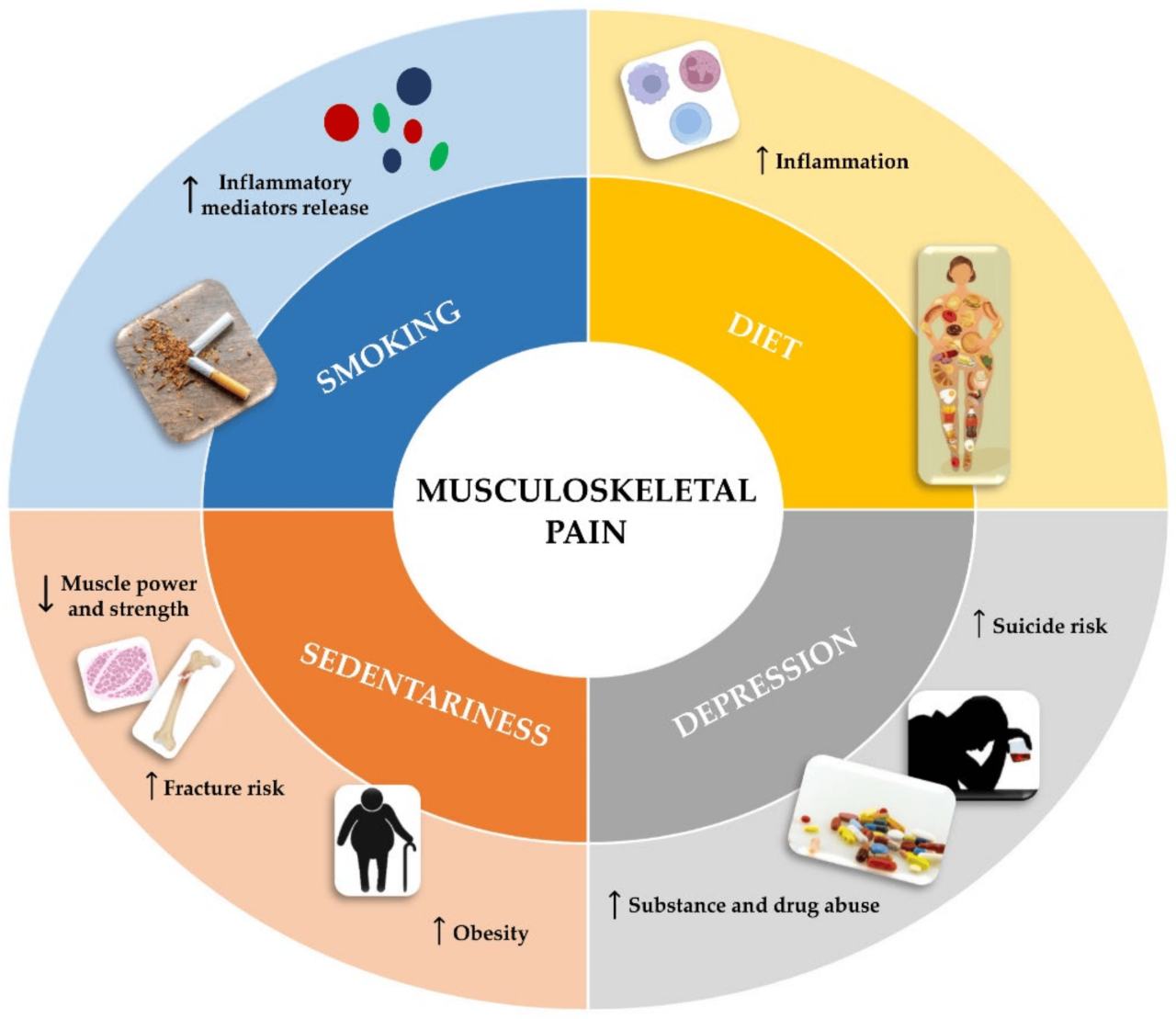
Certain lifestyle choices, such as poor posture, lack of exercise, and unhealthy diet, can contribute to chronic pain. These factors can impact the body’s overall health and exacerbate existing pain conditions, making it essential to address them in pain management strategies.
Inflammation in Chronic Pain
Inflammation is a common factor in many chronic pain conditions. When tissues are damaged or inflamed, the body’s immune response can trigger pain signals that persist over time. Managing inflammation through medication, physical therapy, or lifestyle changes can help alleviate chronic pain symptoms.
Psychological Factors
Psychological factors like stress, anxiety, and depression can worsen chronic pain conditions. The mind-body connection plays a significant role in how pain is perceived and experienced. Addressing these psychological factors through therapy, relaxation techniques, and mindfulness can be beneficial in managing chronic pain effectively.
Management Strategies for Chronic Pain
Chronic pain can be challenging to manage, requiring a comprehensive approach that goes beyond just medication. Here, we will explore different strategies for managing chronic pain, including medication, physical therapy, alternative therapies, and self-management techniques.
Medication
- Prescription pain relievers: These medications, such as opioids, can help manage severe chronic pain but should be used cautiously due to the risk of addiction.
- Nonsteroidal anti-inflammatory drugs (NSAIDs): These over-the-counter medications can reduce inflammation and relieve pain in conditions like arthritis.
- Antidepressants and anticonvulsants: These medications can help manage chronic pain conditions like neuropathic pain by affecting chemicals in the brain.
Physical Therapy
- Exercise programs: Physical therapy exercises can help strengthen muscles, improve flexibility, and reduce pain in conditions like chronic back pain.
- Manual therapy: Techniques like massage, joint mobilization, and manipulation can help reduce pain and improve function.
- Modalities: Heat, cold, ultrasound, and electrical stimulation are modalities used in physical therapy to alleviate pain and promote healing.
Alternative Therapies
- Acupuncture: This traditional Chinese medicine practice involves inserting thin needles into specific points on the body to relieve pain.
- Chiropractic care: Chiropractors use spinal manipulation and other techniques to align the body’s musculoskeletal structure and alleviate pain.
- Cognitive-behavioral therapy: This form of talk therapy helps individuals manage chronic pain by changing negative thought patterns and behaviors.
Multidisciplinary Approach
A multidisciplinary approach to treating chronic pain involves a team of healthcare providers working together to address the physical, emotional, and psychological aspects of pain. This may include doctors, physical therapists, psychologists, and pain management specialists collaborating to provide comprehensive care.
Self-Management Techniques
- Regular exercise: Engaging in low-impact activities like walking, swimming, or yoga can help improve physical function and reduce pain.
- Stress management: Techniques like deep breathing, meditation, and mindfulness can help reduce stress, which can exacerbate chronic pain.
- Healthy lifestyle habits: Eating a balanced diet, getting enough sleep, and avoiding smoking can contribute to overall well-being and pain management.
Chronic Diseases
Chronic diseases are long-term conditions that often progress slowly and persist over an extended period, typically more than three months. These conditions can significantly impact a person’s quality of life and require ongoing management to control symptoms and prevent complications. Chronic diseases differ from acute illnesses, which are typically short-lived and may resolve on their own or with treatment within a relatively short period.
Common Chronic Diseases Leading to Chronic Pain
Chronic pain is a common symptom experienced by individuals with various chronic diseases. Some of the most prevalent chronic diseases that often lead to chronic pain include:
- Arthritis: A group of conditions characterized by inflammation and stiffness in the joints, leading to persistent pain.
- Fibromyalgia: A disorder characterized by widespread musculoskeletal pain, fatigue, and tenderness in specific areas of the body.
- Diabetes: A chronic condition that affects blood sugar levels and can lead to nerve damage (neuropathy) causing pain and tingling sensations.
- Migraines: Recurrent severe headaches that can be debilitating and result in chronic pain.
- Chronic Back Pain: Persistent pain in the back that can be caused by various underlying conditions such as herniated discs, spinal stenosis, or muscle strain.
Relationship Between Chronic Diseases and Mental Health
Chronic diseases not only impact physical health but can also have a significant effect on mental well-being. The burden of managing a chronic condition, dealing with symptoms, and the potential limitations it imposes on daily life can contribute to stress, anxiety, depression, and other mental health issues. Conversely, mental health conditions can also exacerbate the symptoms of chronic diseases, creating a complex interplay between physical and mental health.
In conclusion, Chronic Pain and Disease intertwine in ways that underscore the importance of holistic approaches to healthcare. By recognizing the impact of chronic pain on individuals and the connection to underlying diseases, we pave the way for a better understanding and management of these complex health issues.
Quick FAQs
What are the main differences between chronic pain and acute pain?
Chronic pain persists for an extended period, often beyond the expected time for healing, while acute pain is typically short-lived and serves as a warning sign of injury or illness.
How do psychological factors influence chronic pain?
Psychological factors like stress and anxiety can exacerbate chronic pain by heightening sensitivity to pain signals and impacting pain perception.
Can chronic diseases cause mental health issues?
Yes, chronic diseases can lead to mental health challenges due to the physical and emotional toll of managing a long-term health condition.


