Exploring the impact of chronic diseases on quality of life delves into a complex interplay between health, emotions, and societal support. This overview will shed light on the challenges and strategies involved in navigating these conditions.
As we uncover the various dimensions of living with chronic diseases, from physical limitations to emotional resilience, a comprehensive understanding of their impact on daily life emerges.
Introduction to Chronic Diseases
Chronic diseases are long-term medical conditions that typically progress slowly over time and require ongoing management and treatment. These conditions often cannot be cured completely and may impact individuals for their entire lives.
Examples of Chronic Diseases
- Diabetes
- Hypertension
- Asthma
- Arthritis
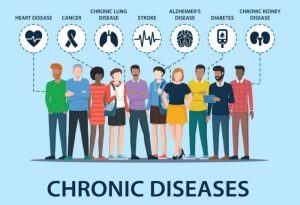
- Heart Disease
Impact of Chronic Diseases on Daily Lives
Chronic diseases can significantly affect individuals’ daily lives, leading to limitations in physical activities, emotional well-being, and social interactions. Managing symptoms, adhering to treatment plans, and coping with the impact on quality of life can be challenging for those living with chronic conditions.
Prevalence of Chronic Diseases Globally
Chronic diseases are a major global health concern, with a high prevalence across all regions of the world. According to the World Health Organization (WHO), chronic diseases account for a significant proportion of deaths worldwide and are a leading cause of disability. The rise in chronic diseases is influenced by factors such as aging populations, unhealthy lifestyles, and limited access to healthcare services.
Factors Influencing Quality of Life with Chronic Diseases
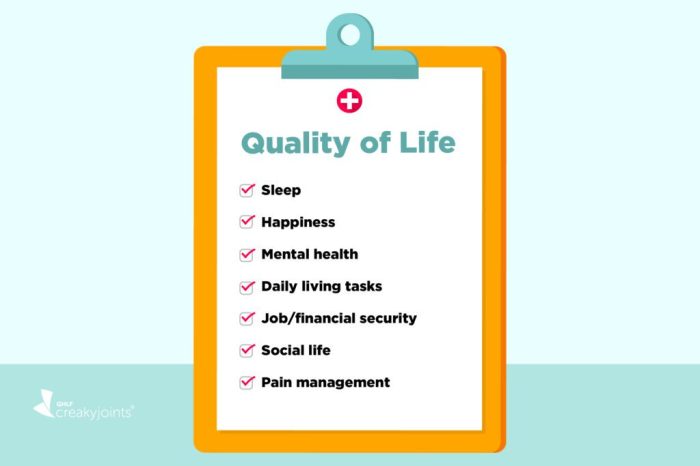
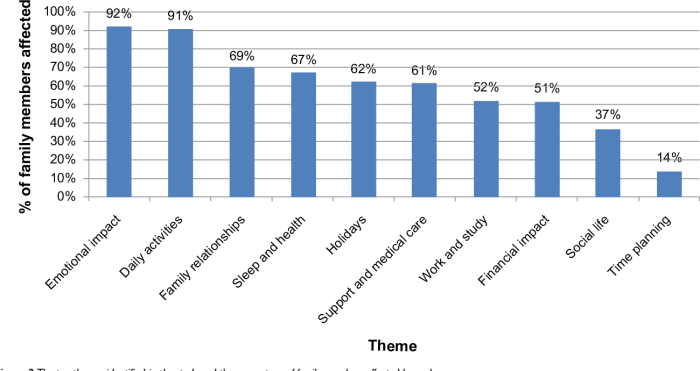
Chronic diseases can have a significant impact on various aspects of an individual’s life, affecting their physical health, emotional well-being, and social interactions. Understanding the factors that influence quality of life in chronic diseases is crucial for providing holistic care and support to individuals living with these conditions.
Physical Factors Affecting Quality of Life
Chronic diseases often lead to physical limitations and symptoms that can significantly impact an individual’s quality of life. These may include chronic pain, fatigue, mobility issues, and difficulties in carrying out daily activities. Managing these physical symptoms through appropriate medical interventions and lifestyle modifications is essential in improving the overall well-being of individuals with chronic diseases.
Emotional and Mental Impact of Chronic Diseases
In addition to physical challenges, chronic diseases can also take a toll on an individual’s emotional and mental health. The constant stress of managing a chronic condition, coping with pain and discomfort, and facing uncertainties about the future can lead to feelings of anxiety, depression, and isolation. It is important for healthcare providers to address the emotional and mental well-being of individuals with chronic diseases through counseling, therapy, and support groups.
Social Support and Quality of Life
Social support plays a crucial role in enhancing the quality of life for individuals with chronic diseases. Having a strong support system of family, friends, and healthcare professionals can provide emotional reassurance, practical assistance, and a sense of belonging. Social support can help individuals cope with the challenges of living with a chronic condition, improve their self-esteem, and enhance their overall quality of life.
Encouraging social connections and fostering a supportive environment is essential in promoting the well-being of individuals with chronic diseases.
Managing Chronic Diseases and Quality of Life
Chronic diseases can significantly impact an individual’s quality of life, but there are various strategies and interventions available to help manage these conditions effectively.
Treatment Options for Managing Chronic Diseases
- Medication: Prescription drugs are commonly used to manage symptoms and slow down the progression of chronic diseases.
- Physical Therapy: In some cases, physical therapy can help improve mobility and reduce pain associated with chronic conditions.
- Surgery: Surgical interventions may be necessary for certain chronic diseases to correct underlying issues or complications.
- Alternative Therapies: Some individuals opt for complementary and alternative therapies such as acupuncture or chiropractic care to manage symptoms.
Role of Lifestyle Changes in Improving Quality of Life
Making positive lifestyle changes can have a significant impact on managing chronic diseases and enhancing quality of life.
- Healthy Diet: Eating a balanced diet rich in nutrients can help manage chronic conditions like diabetes, heart disease, and hypertension.
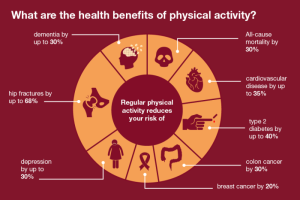
- Regular Exercise: Engaging in physical activity can improve overall health, reduce stress, and boost mood for individuals with chronic diseases.
- Stress Management: Techniques such as meditation, yoga, and deep breathing exercises can help individuals better cope with the challenges of living with a chronic condition.
Importance of Regular Medical Check-ups and Monitoring
Regular medical check-ups and monitoring are crucial in managing chronic diseases effectively.
- Early Detection: Regular screenings and check-ups can help detect any changes or complications early, allowing for prompt intervention.
- Medication Adjustment: Healthcare providers can adjust medications as needed based on changes in the individual’s condition or response to treatment.
- Preventive Measures: Monitoring can help prevent exacerbations or flare-ups of chronic diseases, leading to better disease management and improved quality of life.
Economic Impact of Chronic Diseases
Chronic diseases not only affect an individual’s health but also have a significant impact on their financial well-being. The economic burden of managing chronic conditions can be substantial, leading to increased healthcare costs, reduced productivity, and financial strain on individuals and families.
Financial Impact on Individuals
- Individuals with chronic diseases often incur high medical expenses, including costs for doctor visits, medications, and treatments.
- Lack of insurance coverage or high deductibles can further exacerbate the financial burden, forcing individuals to make difficult choices between their health and financial stability.
- Chronic diseases may also lead to disability, reducing an individual’s ability to work and earn a steady income.
Economic Implications on Healthcare Systems and Society
- Chronic diseases place a strain on healthcare systems, increasing overall healthcare spending due to the need for ongoing treatment and management.
- Healthcare resources are often redirected towards managing chronic conditions, impacting the availability and affordability of care for other health issues.
- Lost productivity from individuals with chronic diseases can have broader societal implications, affecting economic growth and workforce participation.
Statistics on Economic Burden
According to the World Health Organization, chronic diseases account for approximately 60% of all deaths globally and 75% of healthcare spending in many countries.
A study by the Centers for Disease Control and Prevention found that the total annual cost of heart disease and stroke in the United States is estimated to be around $320 billion.
In Europe, chronic diseases are responsible for 86% of all deaths and 77% of the disease burden, leading to significant economic costs for healthcare systems and society.
In conclusion, the discussion on the impact of chronic diseases on quality of life highlights the need for holistic approaches that encompass medical care, lifestyle adjustments, and social connections. By recognizing these factors, individuals can strive for a better quality of life despite the challenges posed by chronic conditions.
Q&A
How do chronic diseases affect mental health?
Chronic diseases can lead to increased stress, anxiety, and depression due to their long-term impact on daily life and overall well-being.
What role does social support play in managing chronic diseases?
Social support can provide emotional comfort, practical assistance, and a sense of belonging, all of which contribute to improving the quality of life for individuals with chronic diseases.
Are there any specific lifestyle changes that can positively impact quality of life with chronic diseases?
Yes, adopting a healthy diet, regular exercise routine, stress management techniques, and adequate sleep can all enhance the overall well-being of individuals living with chronic diseases.