Kicking off with Chronic Diseases and Physical Activity, this opening paragraph is designed to captivate and engage the readers, setting the tone for a detailed exploration of how physical activity impacts chronic diseases and overall well-being.
Exploring the intricate relationship between physical activity and chronic diseases sheds light on the importance of proactive health measures for individuals.
CHRONIC DISEASES

Chronic diseases are long-term health conditions that typically progress slowly over time. These conditions often require ongoing management and treatment to control symptoms and prevent complications. Examples of chronic diseases include diabetes, heart disease, asthma, arthritis, and cancer.
Impact of Chronic Diseases
Chronic diseases can have a significant impact on individuals’ quality of life, affecting their physical, emotional, and mental well-being. These conditions may lead to limitations in daily activities, increased healthcare costs, and reduced life expectancy.
Common Risk Factors
Sedentary lifestyle
Lack of physical activity can increase the risk of developing chronic diseases.
Poor diet
Consuming unhealthy foods high in sugar, salt, and fat can contribute to the development of chronic conditions.
Smoking
Tobacco use is a major risk factor for various chronic diseases, including lung cancer and heart disease.
Genetics
Family history of certain chronic diseases can increase an individual’s susceptibility to developing them.
Importance of Early Detection and Management
Early detection and management of chronic diseases are crucial for improving outcomes and quality of life. Regular health screenings, lifestyle modifications, and adherence to treatment plans can help individuals effectively manage their conditions and reduce the risk of complications.
PHYSICAL ACTIVITY AND CHRONIC DISEASES
Regular physical activity plays a crucial role in preventing and managing chronic diseases. It has been proven that engaging in physical activity can help improve overall health and well-being, as well as reduce the risk of developing various chronic conditions.
Benefits of Regular Physical Activity
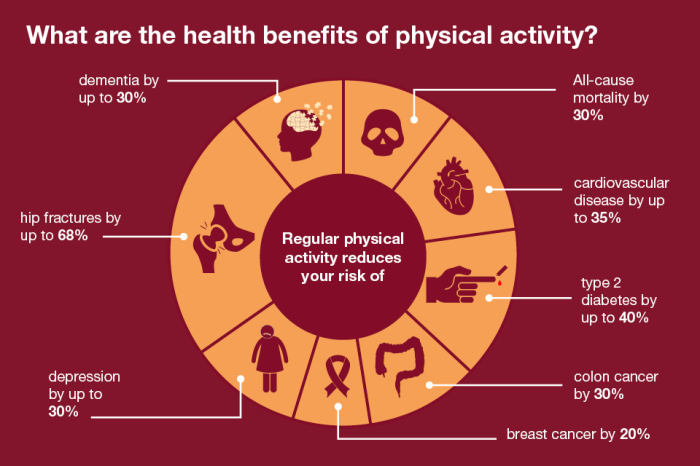
- Regular physical activity can help prevent chronic diseases such as heart disease, type 2 diabetes, and certain types of cancer.
- Physical activity can also help manage chronic conditions like arthritis, osteoporosis, and high blood pressure.
- It can improve cardiovascular health, strengthen muscles, and boost immune function, all of which are essential for individuals with chronic diseases.
Types and Intensity of Physical Activity
- For individuals with chronic diseases, it is recommended to engage in a combination of aerobic exercises, strength training, and flexibility exercises.
- The intensity of physical activity should be tailored to individual capabilities and health conditions, aiming for moderate intensity activities that can be sustained over time.
- Activities like walking, swimming, cycling, and yoga are excellent choices for individuals with chronic diseases, as they can be easily modified to suit different fitness levels.
Improving Overall Well-being
- Regular physical activity not only helps in managing symptoms of chronic diseases but also improves mental health by reducing stress, anxiety, and depression.
- It can enhance quality of life, increase energy levels, and promote better sleep patterns, which are all essential for individuals living with chronic conditions.
- Physical activity can also help individuals maintain a healthy weight, which is crucial for managing chronic diseases like diabetes and heart disease.
BENEFITS OF PHYSICAL ACTIVITY
Regular exercise comes with a myriad of benefits that positively impact both our physical and mental well-being. Engaging in physical activity is crucial for maintaining overall health and reducing the risk of chronic diseases.
Physical Benefits of Regular Exercise
- Improves cardiovascular health by strengthening the heart and improving circulation.
- Enhances muscle strength, flexibility, and endurance, leading to better posture and balance.
- Helps in maintaining a healthy weight by burning calories and boosting metabolism.
- Increases bone density and reduces the risk of osteoporosis.
- Improves respiratory function and overall stamina.
Mental Health Benefits of Physical Activity
- Reduces stress, anxiety, and symptoms of depression by releasing endorphins, the ‘feel-good’ hormones.
- Enhances cognitive function, memory, and focus by promoting better blood flow to the brain.
- Boosts self-esteem and confidence, leading to a more positive outlook on life.
- Improves sleep quality and helps in managing mood swings and emotional well-being.
Role in Preventing Chronic Diseases
- Reduces the risk of developing conditions like heart disease, diabetes, and certain types of cancer.
- Helps in managing blood pressure, cholesterol levels, and blood sugar, reducing the burden on the cardiovascular system.
- Aids in maintaining a healthy weight, which is crucial for preventing obesity-related diseases.
- Improves insulin sensitivity, reducing the risk of type 2 diabetes.
Boosting Immune Function and Longevity
- Regular physical activity strengthens the immune system, making the body more resilient to infections and illnesses.
- Reduces inflammation in the body, which is linked to various chronic conditions.
- Increases longevity by promoting healthy aging, reducing the risk of age-related diseases.
- Improves overall quality of life and enhances longevity by keeping both body and mind active and healthy.
BARREIRS TO PHYSICAL ACTIVITY
Individuals with chronic diseases often face various barriers that hinder their engagement in physical activity. These barriers can range from physical limitations to psychological factors, making it challenging for them to adopt an active lifestyle.
Common Barriers to Physical Activity for Individuals with Chronic Diseases:
- Lack of motivation due to pain or discomfort
- Fear of exacerbating their condition
- Physical limitations or mobility issues
- Time constraints and busy schedules
- Financial constraints related to access to facilities or equipment
Strategies to Overcome Barriers and Encourage Physical Activity Participation:
- Provide personalized exercise plans tailored to individual needs and abilities
- Offer support and encouragement through regular follow-ups and monitoring
- Address fears and misconceptions through education and counseling
- Adapt physical activities to accommodate limitations and ensure safety
- Promote the social aspect of group activities to enhance motivation
Tips for Healthcare Providers to Support Patients with Chronic Diseases:
- Engage in open communication to understand patient concerns and preferences
- Collaborate with other healthcare professionals to create a holistic approach to care
- Provide resources and information on the benefits of physical activity for their specific condition
- Offer guidance on setting realistic goals and tracking progress
- Refer patients to specialized programs or professionals for further support
Examples of Adaptive Physical Activities for Individuals with Different Chronic Conditions:
| Chronic Condition | Adaptive Physical Activity |
|---|---|
| Arthritis | Water aerobics or gentle yoga |
| Heart Disease | Cardiac rehabilitation programs supervised by professionals |
| Diabetes | Brisk walking or cycling with blood sugar monitoring |
| COPD | Breathing exercises and light resistance training |
In conclusion, the discussion on Chronic Diseases and Physical Activity underscores the critical role of exercise in managing and preventing chronic conditions, emphasizing the significance of leading an active lifestyle for better health outcomes.
FAQ Insights
What are the most common chronic diseases?
Common chronic diseases include heart disease, diabetes, cancer, and respiratory conditions.
How does physical activity impact chronic diseases?
Regular physical activity can help prevent and manage chronic diseases by improving overall health and reducing risk factors.
What types of physical activities are recommended for individuals with chronic diseases?
Low-impact exercises like walking, swimming, and yoga are often recommended, tailored to individual health conditions.
How can healthcare providers support patients with chronic diseases in staying active?
Healthcare providers can offer guidance, create personalized exercise plans, and motivate patients to incorporate physical activity into their daily routine.