Treatment for Chronic Diseases sets the stage for this enthralling narrative, offering readers a glimpse into a story that is rich in detail with casual formal language style and brimming with originality from the outset.
Chronic diseases are a prevalent health concern affecting individuals worldwide, with this Artikel delving into the various aspects of managing these conditions effectively. From treatment options to the role of diet and exercise, this comprehensive guide aims to provide valuable insights for individuals navigating the complexities of chronic diseases.
CHRONIC DISEASES
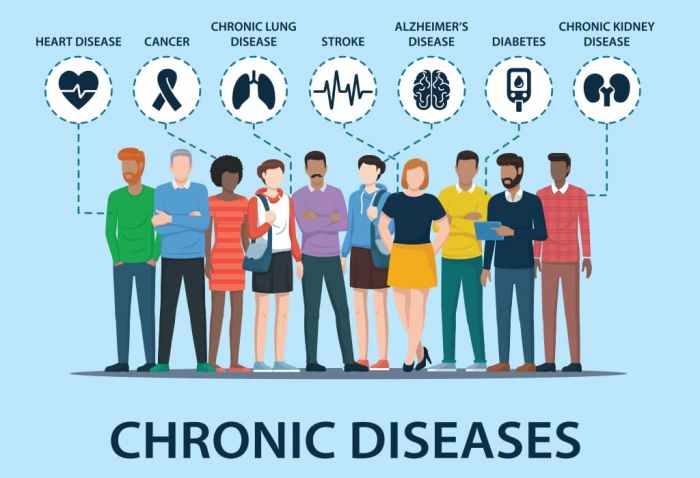
Chronic diseases are long-lasting conditions that typically progress over time and may require ongoing medical attention or management. These conditions often do not have a definitive cure and can impact an individual’s quality of life significantly.
Examples of Chronic Diseases
- Diabetes
- Hypertension
- Heart disease
- Asthma
- Arthritis
Impact of Chronic Diseases
Chronic diseases not only affect individuals but also have broader implications for society as a whole. They can lead to decreased productivity, increased healthcare costs, and reduced quality of life for affected individuals.
Common Causes of Chronic Diseases
- Poor lifestyle choices such as unhealthy diet and lack of physical activity
- Genetic predisposition
- Environmental factors such as pollution
- Aging
- Unmanaged stress
TREATMENT OPTIONS

When it comes to managing chronic diseases, there are various treatment options available that can help improve symptoms and quality of life. These options may include medication, lifestyle changes, and different therapies tailored to each individual’s condition.
Traditional Medicine vs. Alternative Treatments
Traditional medicine, often referred to as conventional medicine, typically involves the use of pharmaceutical drugs to manage symptoms of chronic diseases. On the other hand, alternative treatments encompass a range of therapies such as acupuncture, herbal remedies, and chiropractic care. While traditional medicine is widely accepted and supported by scientific evidence, alternative treatments are often considered complementary and may be used alongside conventional approaches.
Importance of Early Detection and Intervention
Early detection and intervention play a crucial role in managing chronic diseases effectively. Detecting a chronic condition in its early stages allows for prompt treatment and can help prevent further progression of the disease. Early intervention also increases the chances of successful outcomes and can potentially reduce the risk of complications associated with chronic diseases.
DIET AND NUTRITION
Diet and nutrition play a crucial role in managing chronic diseases by providing the necessary nutrients to support overall health and well-being. A balanced diet can help control symptoms, reduce inflammation, and improve the body’s ability to fight off infections.
Beneficial Diets for Specific Chronic Conditions
- For diabetes: A low glycemic index diet that focuses on whole grains, lean proteins, and plenty of fruits and vegetables can help regulate blood sugar levels.
- For heart disease: The Mediterranean diet, rich in fruits, vegetables, whole grains, and healthy fats like olive oil, has been shown to reduce the risk of heart disease.
- For arthritis: Anti-inflammatory diets that include foods like fatty fish, nuts, seeds, and leafy greens can help reduce joint pain and inflammation.
- For hypertension: The DASH diet, which is high in fruits, vegetables, and low-fat dairy products, can help lower blood pressure levels.
Nutritional Supplements for Chronic Diseases
Nutritional supplements can complement the treatment of chronic diseases by providing additional nutrients that may be lacking in the diet. Supplements like vitamin D, omega-3 fatty acids, and probiotics have been shown to have beneficial effects on various chronic conditions.
EXERCISE AND PHYSICAL ACTIVITY
Regular exercise plays a crucial role in managing chronic diseases by improving overall health and well-being. It can help reduce symptoms, prevent complications, and enhance quality of life for individuals with chronic conditions.
Benefits of Regular Exercise
- Improves cardiovascular health by strengthening the heart and improving circulation.
- Helps manage weight and prevent obesity, which is often a risk factor for many chronic diseases.
- Enhances muscle strength, flexibility, and endurance, making daily activities easier to perform.
- Boosts mood and mental health by releasing endorphins and reducing stress and anxiety levels.
Suitable Exercise Routines
- For individuals with cardiovascular conditions, low-impact exercises like walking, swimming, or cycling are recommended.
- Those with arthritis can benefit from activities like yoga, tai chi, or water aerobics to improve joint flexibility and reduce pain.
- Diabetics should focus on a combination of aerobic exercises and strength training to manage blood sugar levels effectively.
- Cancer patients may benefit from gentle exercises like light walking or yoga to improve energy levels and reduce fatigue.
Staying Motivated to Exercise
- Set realistic and achievable goals to track progress and stay motivated.
- Find an exercise buddy or join a support group to stay accountable and motivated.
- Mix up your routine with different activities to prevent boredom and keep things interesting.
- Reward yourself for reaching milestones or sticking to your exercise routine consistently.
In conclusion, the journey through the realm of managing chronic diseases unveils the significance of early intervention, lifestyle modifications, and holistic approaches in enhancing overall well-being. By embracing a proactive stance towards health management, individuals can strive towards a healthier and more fulfilling life despite the challenges posed by chronic conditions.
Question Bank
Can chronic diseases be completely cured?
Chronic diseases are typically managed rather than completely cured, focusing on symptom control and improving quality of life.
How important is early detection in chronic disease management?
Early detection plays a crucial role in preventing complications and initiating timely interventions to manage chronic diseases effectively.
Are alternative treatments as effective as traditional medicine for chronic diseases?
Alternative treatments can complement traditional medicine, but efficacy may vary depending on the individual and the specific chronic condition.
What role does exercise play in managing chronic diseases?
Regular exercise is essential in improving overall health, managing symptoms, and enhancing quality of life for individuals with chronic diseases.