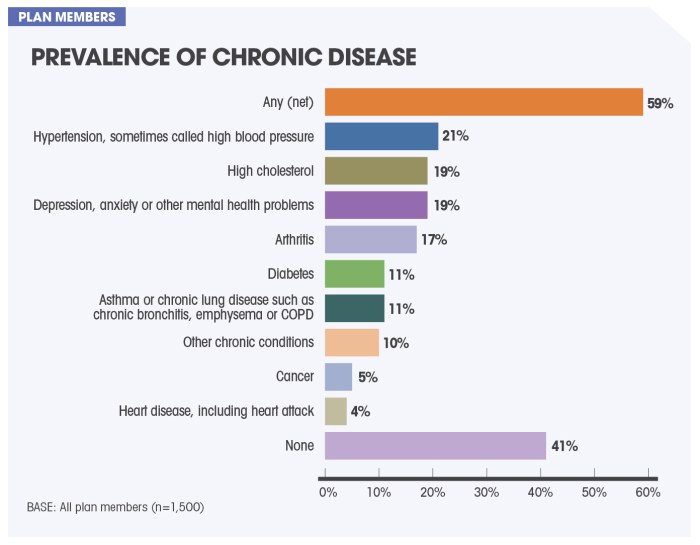
Embark on a journey through Chronic Disease Statistics, delving into the prevalence, impact, and evolving trends surrounding chronic diseases globally.
Explore how these statistics shed light on the economic burden and healthcare implications of managing chronic conditions effectively.
CHRONIC DISEASES
Chronic diseases are long-lasting conditions that typically progress slowly over time and may not have a cure. Examples of chronic diseases include diabetes, heart disease, stroke, cancer, and chronic respiratory diseases like asthma and chronic obstructive pulmonary disease (COPD).Chronic diseases have a significant impact on both individuals and society as a whole. They can lead to decreased quality of life, increased healthcare costs, reduced productivity, and even premature death.
Managing chronic diseases often requires ongoing medical treatment, lifestyle changes, and monitoring to prevent complications.
Common Risk Factors
- Poor diet and nutrition
- Lack of physical activity
- Tobacco use
- Excessive alcohol consumption
- Genetic predisposition
- Environmental factors
Early detection and management of chronic diseases are crucial in improving outcomes and preventing complications. Regular health screenings, maintaining a healthy lifestyle, and adhering to prescribed treatment plans can help individuals effectively manage chronic conditions and maintain overall well-being.
CHRONIC DISEASE STATISTICS
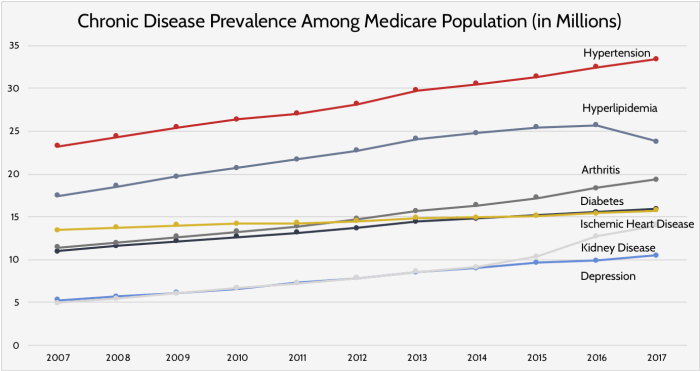
Chronic diseases are a significant health concern globally, affecting millions of people and posing a considerable burden on healthcare systems. Let’s delve into the current statistics surrounding chronic diseases and how they have evolved over the years.
Prevalence of Chronic Diseases
Chronic diseases such as heart disease, diabetes, cancer, and respiratory diseases are prevalent worldwide. According to the World Health Organization (WHO), chronic diseases account for approximately 60% of all deaths globally. These conditions often require long-term management and treatment, impacting the quality of life of individuals affected.
Comparison of Different Chronic Diseases
When comparing the statistics of different chronic diseases, heart disease remains a leading cause of death worldwide, followed closely by cancer. Diabetes, on the other hand, is a significant contributor to the global burden of disease, with the number of cases steadily rising. Each of these diseases has unique risk factors and implications for public health.
Evolving Trends in Chronic Disease Statistics
Over the years, chronic disease statistics have shown a concerning trend of increasing prevalence, particularly in low- and middle-income countries. Factors such as aging populations, unhealthy lifestyles, and limited access to healthcare services contribute to this rise. It is crucial to address these trends through preventive measures and improved healthcare infrastructure.
Economic Burden of Chronic Diseases
Chronic diseases not only impact the health of individuals but also impose a significant economic burden on healthcare systems. The costs associated with managing chronic conditions, including hospitalizations, medications, and long-term care, are substantial. This places strain on healthcare budgets and resources, highlighting the need for effective strategies to mitigate these financial implications.
RISK FACTORS
The development of chronic diseases can be influenced by various risk factors, including lifestyle choices, genetics, and environmental factors. Understanding these factors is crucial in implementing preventive measures to reduce the burden of chronic diseases.
Lifestyle-related Risk Factors
- Poor diet high in processed foods, sugar, and unhealthy fats
- Lack of physical activity and sedentary lifestyle
- Smoking and excessive alcohol consumption
- Chronic stress and poor stress management
Genetics and Environmental Factors
- Family history of chronic diseases can increase the risk
- Exposure to environmental pollutants and toxins
- Access to healthcare services and quality of healthcare
- Socioeconomic factors such as income and education level
Statistical Data on Risk Factors
According to recent studies, lifestyle-related risk factors are more prevalent in urban areas compared to rural areas. For example, the rate of obesity and sedentary lifestyle is higher in urban populations. Additionally, individuals with lower socioeconomic status are at a higher risk due to limited access to healthy food options and healthcare services.
Preventive Measures
- Adopting a balanced diet rich in fruits, vegetables, and whole grains
- Incorporating regular physical activity into daily routine
- Avoiding tobacco use and excessive alcohol consumption
- Practicing stress-reducing activities such as yoga or meditation
- Regular health check-ups and screenings for early detection of chronic diseases
IMPACT ON HEALTHCARE SYSTEMS
Chronic diseases have a significant impact on healthcare systems worldwide, straining resources and services due to the complex and long-term nature of these conditions. The burden falls not only on individuals with chronic diseases but also on healthcare providers and systems as a whole.
Cost Implications
- Chronic diseases account for a large portion of healthcare spending globally, with the cost of treating these conditions escalating each year.
- Individuals with chronic diseases often face financial challenges due to out-of-pocket expenses for medications, treatments, and hospitalizations.
- Healthcare systems bear the cost of managing chronic diseases, including hospitalizations, specialized care, and long-term monitoring.
Healthcare Utilization Statistics
- Statistics show that individuals with chronic diseases have higher rates of hospitalizations compared to those without these conditions.
- The use of medications, medical devices, and other healthcare services is more frequent among individuals with chronic diseases, leading to increased healthcare utilization.
- Chronic diseases also contribute to a higher number of emergency room visits and outpatient appointments, further straining healthcare resources.
Strategies for Improvement
- Implementing preventive measures and promoting healthy lifestyle choices can help reduce the incidence of chronic diseases and alleviate the burden on healthcare systems.
- Enhancing care coordination and communication among healthcare providers can improve the management of chronic conditions and prevent complications.
- Utilizing technology such as telemedicine and remote monitoring can enhance healthcare delivery for individuals with chronic diseases, increasing access to care and improving outcomes.
In conclusion, Chronic Disease Statistics offer valuable insights into the challenges and opportunities in combating chronic diseases, emphasizing the need for proactive measures and improved healthcare management.
FAQ Guide
What are some common risk factors for chronic diseases?
Common risk factors include unhealthy diet, lack of physical activity, tobacco use, excessive alcohol consumption, and genetics.
How have chronic disease statistics evolved over the years?
Chronic disease statistics have shown an increasing trend due to changes in lifestyle, improved diagnosis, and aging populations.
What is the impact of chronic diseases on healthcare systems?
Chronic diseases strain healthcare resources, leading to increased costs for treatment, hospitalizations, and medication use.


