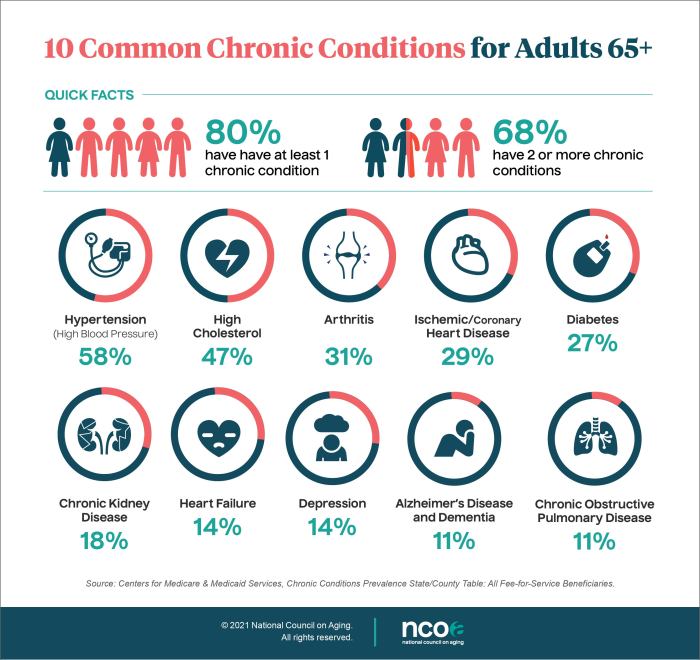
Common Chronic Diseases List sets the stage for this enthralling narrative, offering readers a glimpse into a story that is rich in detail and brimming with originality. From the most prevalent chronic diseases to the impact on healthcare systems, this overview delves deep into this important topic.
Chronic diseases are a significant health concern worldwide, affecting a large portion of the population. Understanding these conditions, their risk factors, and management strategies is crucial for promoting overall well-being.
Common Chronic Diseases List
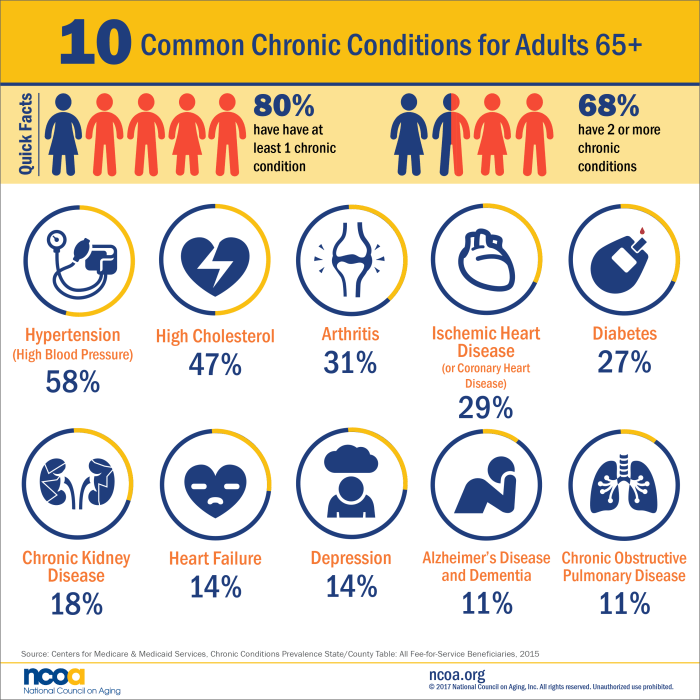
Chronic diseases are long-term conditions that often require ongoing medical attention and management. These diseases can have a significant impact on individuals and healthcare systems worldwide.
Most Prevalent Chronic Diseases
- Cardiovascular diseases: Including heart disease, stroke, and hypertension, cardiovascular diseases are among the leading causes of death globally.
- Diabetes: Both Type 1 and Type 2 diabetes are chronic conditions that affect the body’s ability to regulate blood sugar levels.
- Chronic respiratory diseases: Conditions like asthma, chronic obstructive pulmonary disease (COPD), and bronchitis fall under this category, impacting breathing and lung function.
- Cancer: While not always preventable, cancer is a chronic disease that requires long-term treatment and monitoring.
Impact on Healthcare Systems
Chronic diseases place a significant burden on healthcare systems due to the need for continuous care, medication, and monitoring. These conditions often require specialized treatment and resources, leading to increased healthcare costs. Additionally, chronic diseases can result in reduced productivity and quality of life for individuals affected, further straining healthcare systems.
Chronic Diseases Overview
Chronic diseases are conditions that persist over an extended period of time, often for the rest of a person’s life. Unlike acute conditions that have a sudden onset and are usually resolved within a short period, chronic diseases require ongoing management and treatment to control symptoms and prevent complications.
Examples of Chronic Diseases and Their Characteristics
- Diabetes: A chronic condition characterized by high levels of blood sugar over a prolonged period. It requires regular monitoring of blood glucose levels, medication, and lifestyle modifications.
- Hypertension: Also known as high blood pressure, this chronic disease puts strain on the heart and blood vessels, increasing the risk of heart attack and stroke. Treatment involves medications and lifestyle changes.
- Asthma: A chronic respiratory condition that causes inflammation and narrowing of the airways, leading to breathing difficulties. Management includes inhalers, avoiding triggers, and regular check-ups.
Long-Term Implications of Living with a Chronic Disease
Chronic diseases can have significant long-term implications on a person’s quality of life and overall health. They may lead to complications such as organ damage, disability, reduced life expectancy, and increased healthcare costs. Managing a chronic disease requires consistent care, adherence to treatment plans, and regular medical follow-ups to prevent worsening of symptoms and maintain well-being.
Risk Factors for Chronic Diseases
Chronic diseases are often influenced by a combination of factors, including lifestyle choices, genetic predispositions, and environmental influences. Understanding the risk factors associated with chronic diseases is crucial for prevention and management.
Lifestyle Choices and Chronic Diseases
Lifestyle choices such as diet and exercise play a significant role in the development of chronic diseases. A diet high in processed foods, saturated fats, and sugars can increase the risk of obesity, heart disease, diabetes, and other chronic conditions. Lack of physical activity and sedentary behavior are also key factors contributing to the development of chronic diseases.
Genetic Predispositions and Chronic Diseases
Genetic predispositions can also impact an individual’s susceptibility to chronic diseases. Certain genetic variations can increase the risk of conditions such as cancer, diabetes, and heart disease. Understanding one’s genetic risk factors can help individuals make informed decisions about their health and take preventive measures to reduce the likelihood of developing chronic diseases.
Prevention and Management Strategies
Preventing and managing chronic diseases is crucial for maintaining overall health and well-being. By adopting healthy lifestyle practices and seeking appropriate medical care, individuals can reduce the risk of developing chronic conditions and effectively manage existing ones.
Preventive Measures
Implementing preventive measures can significantly reduce the risk of chronic diseases. This includes:
- Following a balanced diet rich in fruits, vegetables, whole grains, and lean proteins.
- Engaging in regular physical activity to maintain a healthy weight and improve cardiovascular health.
- Avoiding tobacco use and limiting alcohol consumption.
- Managing stress through relaxation techniques, meditation, or counseling.
- Getting regular health check-ups and screenings to detect any potential issues early.
Early Detection and Regular Screenings
Early detection plays a critical role in managing chronic conditions effectively. Regular screenings can help identify risk factors or early signs of diseases, allowing for timely intervention and treatment. Key screenings include:
- Blood pressure checks for hypertension.
- Blood sugar tests for diabetes.
- Cholesterol screenings for heart disease.
- Colonoscopies for colorectal cancer.
- Mammograms for breast cancer in women.
Treatment Options
There are various treatment options available for managing chronic diseases, depending on the specific condition and individual needs. These may include:
- Medications to control symptoms and slow disease progression.
- Lifestyle modifications such as diet and exercise changes.
- Physical therapy or rehabilitation programs to improve mobility and function.
- Surgical interventions for certain conditions when necessary.
- Psychological support and counseling to cope with the emotional impact of chronic illness.
In conclusion, exploring the realm of common chronic diseases sheds light on the importance of prevention, early detection, and effective management. By staying informed and proactive, individuals can strive for better health outcomes in the face of these conditions.
Answers to Common Questions
What are the most prevalent chronic diseases?
The most prevalent chronic diseases include heart disease, diabetes, cancer, and respiratory conditions.
How do lifestyle choices impact the risk of chronic diseases?
Healthy lifestyle choices such as a balanced diet and regular exercise can significantly reduce the risk of developing chronic diseases.
Why is early detection important in managing chronic conditions?
Early detection allows for timely intervention and treatment, potentially improving outcomes and quality of life for individuals with chronic diseases.


