Embarking on the journey of Living with Chronic Diseases, this exploration delves into the complexities and realities of navigating life with long-term health conditions. From the impacts on daily routines to the emotional hurdles faced, this discussion sheds light on the multifaceted aspects of living with chronic illnesses.
Delve deeper into the nuances of managing chronic diseases, from coping mechanisms to treatment options, as we unravel the intricacies of this challenging yet empowering experience.
Living with Chronic Diseases
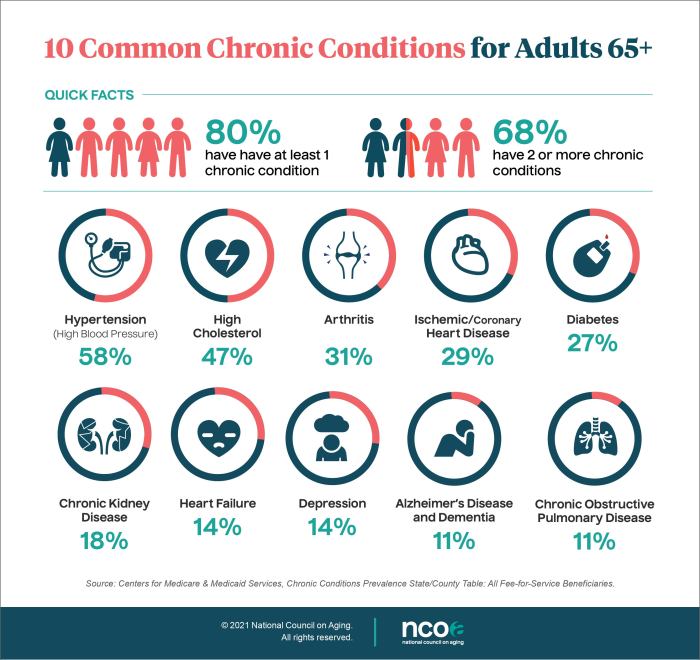
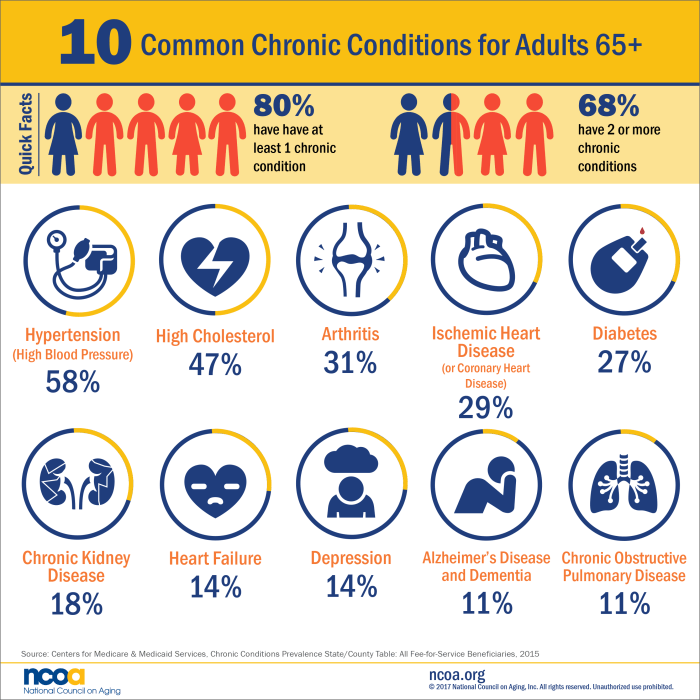
Living with chronic diseases can be a challenging and life-altering experience. Chronic diseases are long-lasting conditions that typically do not have a cure, such as diabetes, heart disease, arthritis, and asthma. These conditions require ongoing management and treatment to control symptoms and prevent complications.
Impact of Chronic Diseases on Daily Life
Living with a chronic disease can have a significant impact on daily life. Individuals may need to make lifestyle changes, adhere to a strict medication regimen, and attend frequent medical appointments. Chronic diseases can also affect mobility, energy levels, and overall quality of life. Simple tasks that others may take for granted, such as getting out of bed or preparing a meal, can become challenging for those living with chronic diseases.
Emotional Challenges of Managing a Chronic Disease
In addition to the physical challenges, managing a chronic disease can take a toll on one’s emotional well-being. The constant need to monitor symptoms, deal with flare-ups, and navigate the healthcare system can lead to feelings of frustration, anxiety, and depression. The uncertainty of living with a chronic disease and the fear of complications can also contribute to emotional distress.
It is essential for individuals with chronic diseases to seek support from healthcare providers, loved ones, and mental health professionals to cope with these emotional challenges effectively.
Types of Chronic Diseases
Chronic diseases are long-lasting conditions that can impact a person’s quality of life. There are various types of chronic diseases, each with its own management strategies and symptoms.
Common Chronic Diseases
- Diabetes: A chronic condition that affects how your body uses blood sugar.
- Heart Disease: Conditions that affect the heart’s structure and function.
- Arthritis: Inflammation of the joints, causing pain and stiffness.
- Asthma: Chronic respiratory condition that narrows the airways.
- Chronic Obstructive Pulmonary Disease (COPD): Lung diseases that make it difficult to breathe.
Management Strategies
- Medication: Many chronic diseases require ongoing medication to manage symptoms and prevent complications.
- Diet and Exercise: A healthy diet and regular exercise can help manage chronic conditions like diabetes and heart disease.
- Lifestyle Changes: Quitting smoking, reducing stress, and getting enough sleep can also play a role in managing chronic diseases.
Symptom Variations
While some chronic diseases may share similar symptoms such as fatigue or pain, the way these symptoms manifest and impact daily life can vary greatly. For example, the pain experienced in arthritis is localized to the joints, while the shortness of breath in COPD affects breathing and physical activity.
Coping Mechanisms
Living with a chronic disease can be challenging, both physically and emotionally. However, there are effective coping mechanisms that can help individuals manage their conditions and improve their quality of life.
Building a Strong Support System
One of the most important coping mechanisms for dealing with chronic diseases is to build a strong support system. This can include family members, friends, healthcare professionals, or support groups. Having people who understand your condition and are there to offer emotional support can make a significant difference in how you manage your illness.
Maintaining a Positive Attitude
It is essential to maintain a positive attitude while living with a chronic disease. This can be achieved by focusing on what you can control, setting realistic goals, and practicing self-care. Engaging in activities that bring you joy, practicing mindfulness, and seeking professional help when needed are all ways to maintain a positive outlook despite the challenges.
Treatment Options
Chronic diseases often require a combination of traditional treatment methods, alternative therapies, and medication to effectively manage symptoms and improve quality of life.
Traditional Treatment Methods
Traditional treatment methods for chronic diseases typically include:
- Medication: Prescription drugs are commonly used to manage symptoms, slow disease progression, and prevent complications.
- Surgery: In some cases, surgical procedures may be necessary to treat or manage certain chronic diseases.
- Physical Therapy: Physical therapy can help improve mobility, range of motion, and overall physical function for individuals living with chronic diseases.
- Diet and Exercise: Making healthy lifestyle choices, including following a balanced diet and engaging in regular physical activity, can play a crucial role in managing chronic diseases.
Alternative Therapies
Alternative therapies offer additional options for managing chronic diseases, such as:
- Acupuncture: Acupuncture involves the insertion of thin needles into specific points on the body to help alleviate pain and improve overall well-being.
- Herbal Remedies: Herbal remedies, such as herbal supplements and teas, are sometimes used to complement traditional treatment methods for chronic diseases.
- Mind-Body Therapies: Practices like yoga, meditation, and tai chi can help reduce stress, improve mental health, and enhance overall quality of life for individuals with chronic diseases.
- Massage Therapy: Massage therapy can help alleviate muscle tension, improve circulation, and promote relaxation for individuals living with chronic diseases.
Role of Medication
Medication plays a vital role in treating chronic diseases by:
- Managing Symptoms: Medications help control symptoms such as pain, inflammation, high blood pressure, and more, allowing individuals to lead more comfortable lives.
- Preventing Complications: Some medications are designed to prevent complications associated with chronic diseases, reducing the risk of serious health issues.
- Slowing Disease Progression: Certain medications can slow the progression of chronic diseases, preserving organ function and quality of life for individuals affected by these conditions.
- Improving Quality of Life: By effectively managing symptoms and preventing complications, medication can significantly improve the overall quality of life for individuals living with chronic diseases.
In conclusion, Living with Chronic Diseases is a continuous journey that requires resilience, adaptation, and a supportive network. By embracing effective coping strategies, maintaining a positive mindset, and exploring diverse treatment options, individuals can lead fulfilling lives despite the challenges posed by chronic illnesses.
Expert Answers
How do chronic diseases impact daily life?
Chronic diseases can disrupt daily routines, leading to challenges in work, relationships, and overall quality of life.
What are some effective coping mechanisms for managing chronic diseases?
Engaging in regular physical activity, seeking emotional support, and maintaining a healthy lifestyle can be beneficial coping strategies.
Are there alternative therapies for managing chronic diseases?
Yes, alternative therapies such as acupuncture, yoga, and mindfulness practices can complement traditional treatments for chronic illnesses.


