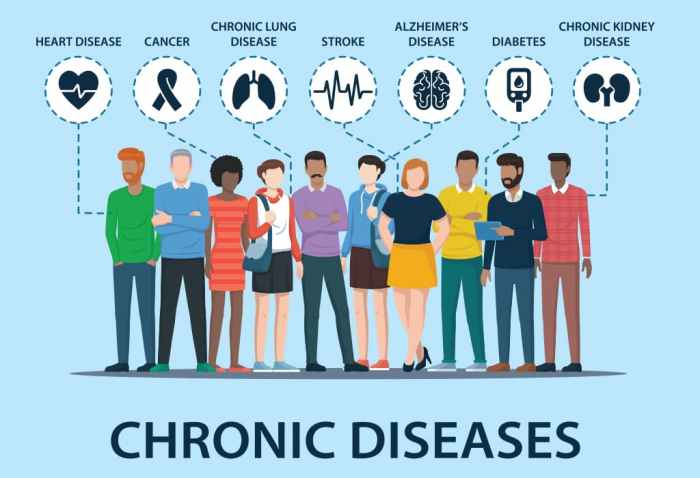
Exploring the realm of chronic diseases, this guide delves into various types and characteristics, shedding light on the differences between chronic and acute illnesses.
From cardiovascular to autoimmune chronic diseases, this overview provides insights into prevalent conditions and ways to manage them effectively.
Types of Chronic Diseases
Chronic diseases are long-lasting conditions that can be managed but not cured. They typically develop slowly over time and may worsen if not properly treated. Unlike acute conditions, chronic diseases persist for months or years and require ongoing medical attention to control symptoms and prevent complications.
Common Examples of Chronic Diseases
- Diabetes: A metabolic disorder characterized by high blood sugar levels due to insufficient insulin production or ineffective use of insulin.
- Heart Disease: Refers to various conditions that affect the heart, such as coronary artery disease, heart failure, and arrhythmias.
- Chronic Obstructive Pulmonary Disease (COPD): A group of lung diseases that make it difficult to breathe, including chronic bronchitis and emphysema.
- Arthritis: Inflammation of the joints causing pain, stiffness, and decreased range of motion, with types like osteoarthritis and rheumatoid arthritis.
- Asthma: A chronic respiratory condition characterized by inflammation and narrowing of the airways, leading to breathing difficulties.
Characteristics of Chronic Diseases
Chronic diseases are characterized by their long duration, often lasting for years or even a lifetime. They usually progress slowly, with symptoms that may come and go but persist over time. These conditions require ongoing management, treatment, and monitoring to prevent complications and maintain quality of life.
Differences from Acute Conditions
Chronic diseases differ from acute conditions in terms of duration, progression, and treatment. Acute conditions are short-term illnesses or injuries that typically resolve on their own or with short-term treatment. In contrast, chronic diseases last for an extended period, may worsen over time, and require long-term management to control symptoms and prevent complications.
Cardiovascular Chronic Diseases
Cardiovascular chronic diseases are conditions that affect the heart and blood vessels over a long period of time. Some of the most common cardiovascular chronic diseases include hypertension, heart disease, and stroke.
Risk Factors Associated with Cardiovascular Chronic Diseases
- Hypertension: High blood pressure is a major risk factor for cardiovascular diseases. It can strain the heart, arteries, and other organs over time.
- Heart Disease: Factors like high cholesterol, smoking, diabetes, and obesity can increase the risk of developing heart disease.
- Stroke: Risk factors for stroke include high blood pressure, high cholesterol, smoking, and diabetes. A stroke occurs when the blood supply to the brain is interrupted, leading to brain damage.
Preventive Measures and Lifestyle Changes
- Healthy Diet: Eating a balanced diet rich in fruits, vegetables, whole grains, and lean proteins can help lower the risk of cardiovascular diseases.
- Regular Exercise: Engaging in physical activity for at least 30 minutes a day can improve heart health and reduce the risk of developing chronic conditions.
- Quit Smoking: Smoking is a major risk factor for cardiovascular diseases. Quitting smoking can significantly lower the risk of heart disease and stroke.
- Manage Stress: Chronic stress can contribute to the development of heart disease. Practicing relaxation techniques and stress management can help maintain cardiovascular health.
Respiratory Chronic Diseases
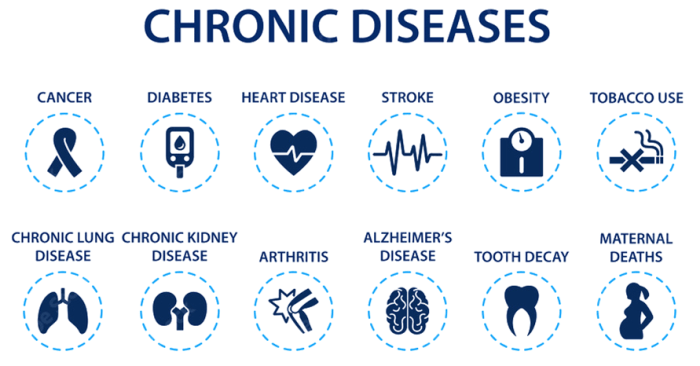
Respiratory chronic diseases affect the lungs and airways, leading to long-term breathing problems. Common respiratory chronic diseases include asthma, chronic obstructive pulmonary disease (COPD), and pulmonary fibrosis.
Asthma
Asthma is characterized by inflammation and narrowing of the airways, leading to symptoms like wheezing, shortness of breath, chest tightness, and coughing. Triggers for asthma attacks can vary from person to person and may include allergens, respiratory infections, exercise, and stress. Treatment options for asthma include inhaled corticosteroids, bronchodilators, and avoiding triggers.
Chronic Obstructive Pulmonary Disease (COPD)
COPD is a progressive lung disease that makes it difficult to breathe. It is commonly caused by long-term exposure to irritants like cigarette smoke or air pollution. Symptoms of COPD include coughing, wheezing, shortness of breath, and chest tightness. Treatment for COPD involves medications like bronchodilators and corticosteroids, pulmonary rehabilitation, and oxygen therapy.
Pulmonary Fibrosis
Pulmonary fibrosis involves scarring of the lung tissue, which makes it difficult for the lungs to function properly. Symptoms of pulmonary fibrosis include shortness of breath, dry cough, fatigue, and unexplained weight loss. Treatment options for pulmonary fibrosis may include medications like pirfenidone or nintedanib, oxygen therapy, pulmonary rehabilitation, and in severe cases, lung transplantation.
Metabolic Chronic Diseases
Metabolic chronic diseases encompass a range of conditions that affect the body’s ability to process nutrients and energy. Common examples include diabetes, obesity, and metabolic syndrome. These conditions can have a significant impact on overall health and quality of life.
Diabetes
Diabetes is a metabolic disease characterized by high blood sugar levels. There are two main types of diabetes: type 1, where the body does not produce insulin, and type 2, where the body does not effectively use insulin. Proper management of diabetes is essential to prevent complications such as heart disease, kidney damage, and nerve damage.
Obesity
Obesity is a condition where excess body fat accumulates to the extent that it may have a negative impact on health. Obesity is often linked to metabolic issues such as insulin resistance and inflammation, increasing the risk of developing chronic diseases like diabetes, heart disease, and certain cancers.
Metabolic Syndrome
Metabolic syndrome is a cluster of conditions that occur together, increasing the risk of heart disease, stroke, and type 2 diabetes. These conditions include high blood pressure, high blood sugar, excess body fat around the waist, and abnormal cholesterol levels. Lifestyle changes such as a healthy diet and regular exercise can help manage metabolic syndrome and reduce the risk of associated complications.
Autoimmune Chronic Diseases
Autoimmune chronic diseases are conditions where the immune system mistakenly attacks healthy cells in the body, leading to chronic inflammation and tissue damage.
Rheumatoid Arthritis
Rheumatoid arthritis is a chronic autoimmune disease that primarily affects the joints, causing pain, swelling, and stiffness. The immune system attacks the lining of the joints, leading to inflammation and eventually joint damage. Treatment options include medications to reduce inflammation and slow the progression of the disease, as well as physical therapy to improve joint function.
Lupus
Lupus is a chronic autoimmune disease that can affect multiple organs in the body, including the skin, joints, kidneys, and heart. Symptoms can vary widely and may include fatigue, joint pain, skin rashes, and fever. Treatment usually involves medications to reduce inflammation and suppress the immune system, as well as lifestyle changes to manage symptoms.
Multiple Sclerosis
Multiple sclerosis is a chronic autoimmune disease that affects the central nervous system, leading to damage of the nerves and disruption of communication between the brain and the rest of the body. Symptoms can vary and may include fatigue, muscle weakness, and problems with coordination and balance. Treatment options include medications to reduce inflammation and manage symptoms, as well as physical therapy to improve mobility.
In conclusion, understanding the nuances of chronic diseases is crucial for maintaining overall health and well-being. By recognizing symptoms, risk factors, and treatment options, individuals can take proactive steps towards a healthier lifestyle.
Detailed FAQs
What are some common examples of chronic diseases?
Common examples include diabetes, hypertension, asthma, and rheumatoid arthritis.
How do chronic diseases differ from acute conditions?
Chronic diseases are long-lasting and often managed rather than cured, whereas acute conditions are usually short-term and require immediate treatment.
What preventive measures can help manage cardiovascular chronic diseases?
Preventive measures include regular exercise, a healthy diet, managing stress, and avoiding smoking.
What impact do metabolic chronic diseases have on overall health?
Metabolic diseases can lead to complications such as heart disease, stroke, and kidney problems if not managed properly.
How do autoimmune chronic diseases affect the immune system?
Autoimmune diseases cause the immune system to mistakenly attack healthy cells, leading to inflammation and tissue damage.


