
With Chronic Diseases and Mental Health at the forefront, this paragraph opens a window to an amazing start and intrigue, inviting readers to embark on a storytelling filled with unexpected twists and insights. Chronic diseases and mental health go hand in hand, shaping individuals’ well-being in profound ways. Let’s delve into the intricate relationship between these two critical aspects of health.
In the following sections, we will explore the impact of chronic diseases on mental health, the challenges faced by individuals dealing with both, and strategies for providing holistic care.
CHRONIC DISEASES
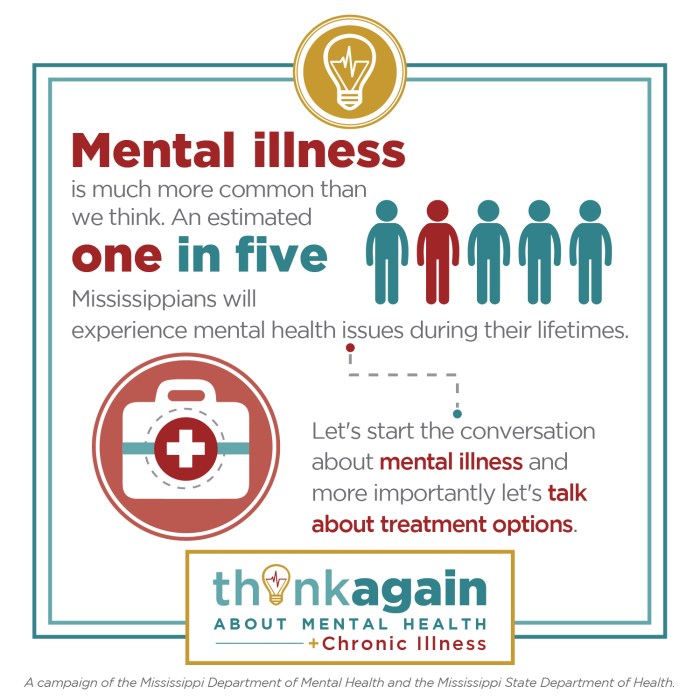
Chronic diseases are long-lasting conditions that typically progress slowly over time and may not have a cure. These conditions often require ongoing medical attention and management to control symptoms and prevent complications. They can significantly impact an individual’s quality of life and overall well-being.
- Common types of chronic diseases prevalent in society include:
- 1. Cardiovascular diseases such as hypertension and coronary heart disease
- 2. Diabetes
- 3. Chronic respiratory diseases like asthma and chronic obstructive pulmonary disease (COPD)
- 4. Cancer
- 5. Mental health disorders
Factors Contributing to the Rise of Chronic Diseases Globally
Chronic diseases are on the rise globally due to several factors, including:
- 1. Aging populations in many countries, leading to an increased prevalence of age-related chronic conditions
- 2. Sedentary lifestyles and lack of physical activity
- 3. Poor dietary choices, including high consumption of processed foods and sugary beverages
- 4. Tobacco use and exposure to environmental pollutants
- 5. Genetic predisposition to certain chronic diseases
Relationship Between Lifestyle Choices and the Development of Chronic Diseases
Lifestyle choices play a crucial role in the development of chronic diseases. Factors such as:
- 1. Regular physical activity can help prevent obesity, diabetes, and cardiovascular diseases
- 2. A balanced diet rich in fruits, vegetables, whole grains, and lean proteins can reduce the risk of developing chronic conditions
- 3. Avoiding tobacco and excessive alcohol consumption can lower the likelihood of developing lung cancer, heart disease, and liver cirrhosis
- 4. Managing stress through relaxation techniques and seeking social support can improve mental health and overall well-being
MENTAL HEALTH
Mental health refers to emotional, psychological, and social well-being. It is essential for overall well-being as it affects how we think, feel, and act. Good mental health helps individuals cope with stress, make healthier choices, and maintain positive relationships.The connection between chronic diseases and mental health is significant. Individuals with chronic illnesses often experience mental health issues such as depression, anxiety, and stress.
The burden of managing a chronic disease can take a toll on mental well-being, leading to a negative impact on quality of life.
Impact of Chronic Diseases on Mental Health
Chronic diseases can affect mental health in various ways. The constant management of symptoms, medication regimens, doctor visits, and lifestyle changes can be overwhelming and lead to feelings of anxiety and depression. The uncertainty surrounding the progression of the disease and its impact on daily life can also contribute to mental health struggles.
Challenges in Managing Chronic Diseases and Mental Health Simultaneously
1. Stigma
Individuals may face stigma related to both their chronic illness and mental health issues, making it challenging to seek appropriate support and treatment.
2. Treatment Burden
Managing multiple health conditions can be daunting, leading to medication fatigue and difficulty adhering to treatment plans.
3. Emotional Impact
Dealing with the physical symptoms of a chronic disease while also managing mental health concerns can be emotionally draining and overwhelming.
4. Lack of Integrated Care
The fragmented healthcare system may result in a lack of coordination between physical and mental health providers, making it challenging for individuals to receive comprehensive care.These challenges highlight the importance of addressing mental health concerns in individuals with chronic diseases to improve overall well-being and quality of life.
IMPACT OF CHRONIC DISEASES ON MENTAL HEALTH
Chronic diseases can have a profound impact on mental health, affecting individuals in various ways.
Psychological Effects of Living with a Chronic Disease
- Increased stress and anxiety due to managing symptoms and treatments.
- Feelings of depression and hopelessness from the constant battle against the illness.
- Isolation and loneliness as social interactions may be limited by the condition.
Examples of Chronic Diseases Leading to Mental Health Disorders
- Diabetes can lead to increased risk of depression and anxiety.
- Cancer patients often experience PTSD and depression post-treatment.
- Alzheimer’s disease can cause emotional distress and mood changes in patients and caregivers.
Coping Mechanisms for Individuals Dealing with Chronic Diseases and Mental Health Issues
- Seeking therapy or counseling to address emotional challenges.
- Engaging in support groups to connect with others facing similar struggles.
- Practicing mindfulness and relaxation techniques to reduce stress and anxiety.
Role of Healthcare Providers in Addressing Mental Health Concerns
- Screening patients for mental health issues during routine medical appointments.
- Collaborating with mental health professionals to provide integrated care for patients.
- Educating patients on the importance of mental health in overall well-being.
TREATMENT AND SUPPORT
When it comes to managing chronic diseases and mental health conditions, an integrated approach to treatment and support is crucial for the overall well-being of patients.
Importance of Psychological Support
Psychological support plays a significant role in the treatment of chronic diseases as it helps patients cope with the emotional and mental challenges that often accompany their physical health issues. By addressing the psychological aspects of their condition, healthcare professionals can improve patient outcomes and quality of life.
Strategies for Holistic Care
- Encourage open communication between healthcare providers, patients, and mental health professionals to ensure comprehensive care.
- Implement collaborative care models that integrate both physical and mental health services to address the full spectrum of patient needs.
- Provide education and resources to patients and their families on how to manage both their chronic disease and mental health effectively.
- Offer support groups and counseling services to help patients connect with others facing similar challenges and build a strong support network.
Impact of Social Support Networks
Social support networks play a crucial role in the well-being of individuals managing chronic diseases and mental health challenges. Having a strong support system can help reduce feelings of isolation, improve coping mechanisms, and enhance overall quality of life. Healthcare professionals should encourage patients to engage with their support network and foster meaningful connections that promote healing and resilience.
In conclusion, Chronic Diseases and Mental Health are intertwined in complex ways, influencing each other profoundly. By understanding this intricate relationship, we can better support individuals facing these dual challenges and work towards comprehensive healthcare solutions.
Commonly Asked Questions
How do chronic diseases affect mental health?
Chronic diseases can impact mental health by causing stress, anxiety, and depression due to the challenges of managing a long-term health condition.
What role do lifestyle choices play in the development of chronic diseases?
Lifestyle choices such as diet, exercise, and smoking can contribute to the development of chronic diseases like heart disease, diabetes, and obesity.
How can healthcare providers support individuals with comorbid chronic diseases and mental health issues?
Healthcare providers can offer integrated care, psychological support, and access to social support networks to help individuals manage both conditions effectively.


