
Embark on a journey to understand the significance of preventing chronic diseases and how simple lifestyle changes can make a lasting impact on your health.
Explore the key aspects of maintaining good health and well-being through proactive measures and informed choices.
Prevention of Chronic Diseases
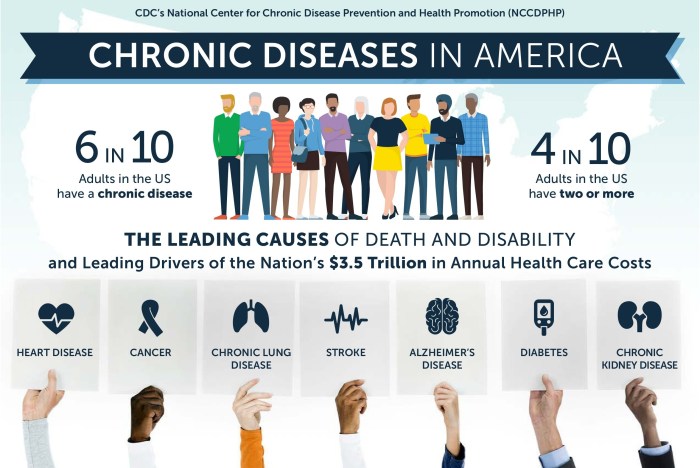
Chronic diseases are long-lasting conditions that can be managed but not always cured. They often develop over time and are usually not contagious.
Common Chronic Diseases
- Heart disease
- Diabetes
- Stroke
- Cancer
- Chronic respiratory diseases
Chronic diseases are the leading cause of death and disability worldwide, making prevention crucial to reduce the burden on individuals and healthcare systems.
Importance of Preventive Measures
- Preventing chronic diseases can improve quality of life and reduce healthcare costs.
- Early detection and management can prevent complications and progression of the disease.
- Healthy lifestyle choices can lower the risk of developing chronic diseases.
Lifestyle Changes for Prevention
- Regular exercise to maintain a healthy weight and reduce the risk of heart disease and diabetes.
- Healthy eating habits, such as consuming a balanced diet rich in fruits, vegetables, and whole grains.
- Avoiding tobacco use and limiting alcohol consumption to decrease the risk of cancer and respiratory diseases.
- Managing stress through relaxation techniques like meditation or yoga to promote overall well-being.
Preventive measures play a vital role in reducing the incidence of chronic diseases and promoting a healthier population.
Healthy Diet and Nutrition
A healthy diet plays a crucial role in preventing chronic diseases by providing essential nutrients to support overall health and reduce the risk of developing conditions like heart disease, diabetes, and cancer.
Types of Diets for Chronic Disease Prevention
- The Mediterranean Diet: This diet emphasizes consuming plant-based foods, healthy fats like olive oil, lean proteins like fish, and moderate amounts of red wine. It has been linked to lower rates of heart disease and cancer.
- The DASH Diet (Dietary Approaches to Stop Hypertension): This diet focuses on reducing sodium intake and increasing consumption of fruits, vegetables, whole grains, and lean proteins. It is known to help lower blood pressure and reduce the risk of heart disease.
Impact of Specific Nutrients on Chronic Disease Prevention
- Antioxidants: Found in fruits, vegetables, and nuts, antioxidants help protect cells from damage caused by free radicals, reducing the risk of chronic diseases like cancer and heart disease.
- Fiber: Fiber-rich foods like whole grains, fruits, and vegetables aid in digestion, regulate blood sugar levels, and lower cholesterol, all of which contribute to reducing the risk of chronic diseases.
Meal Plans for Chronic Disease Prevention
Here are examples of meal plans that promote the prevention of chronic diseases:
| Breakfast | Lunch | Dinner |
|---|---|---|
| Whole grain oatmeal with berries and nuts | Grilled chicken salad with mixed vegetables | Baked salmon with quinoa and steamed broccoli |
| Greek yogurt with honey and almonds | Vegetable stir-fry with tofu and brown rice | Vegetarian chili with beans and whole grain bread |
Physical Activity and Exercise
Regular physical activity plays a crucial role in the prevention of chronic diseases. By staying active, individuals can maintain a healthy weight, improve cardiovascular health, boost immunity, and reduce the risk of conditions such as heart disease, diabetes, and certain cancers.
Types of Exercises for Chronic Disease Prevention
Regular aerobic exercises like walking, jogging, cycling, and swimming are beneficial for improving cardiovascular health and overall fitness. Strength training exercises, such as weightlifting or bodyweight exercises, help build muscle mass and bone density, reducing the risk of osteoporosis. Flexibility exercises like yoga or Pilates improve range of motion and reduce the risk of injuries.
Recommended Duration and Intensity of Exercise
For adults, the Centers for Disease Control and Prevention (CDC) recommends at least 150 minutes of moderate-intensity aerobic activity or 75 minutes of vigorous-intensity aerobic activity per week, along with muscle-strengthening activities on two or more days a week. It’s important to gradually increase the intensity and duration of exercise to avoid injury and reap maximum health benefits.
Tips for Incorporating Physical Activity into Daily Routine
- Take the stairs instead of the elevator.
- Walk or bike to work if possible.
- Schedule regular exercise sessions in your calendar.
- Join group fitness classes for motivation and social support.
- Use workout apps or fitness trackers to monitor your progress.
- Find activities you enjoy to make exercise a fun and sustainable habit.
Risk Factors and Screening
Identifying common risk factors associated with the development of chronic diseases is crucial in implementing preventive measures. Regular health screenings play a significant role in detecting early signs of chronic diseases, allowing for timely intervention and management. In this section, we will explore the importance of screening tests and how lifestyle changes can help manage and reduce risk factors.
Common Risk Factors
Common risk factors associated with the development of chronic diseases include:
- Family history of certain diseases
- Poor diet and nutrition
- Lack of physical activity
- Smoking and excessive alcohol consumption
- Obesity and overweight
- High blood pressure and cholesterol levels
Importance of Screening Tests
Regular health screenings are essential for early detection of chronic diseases. Some common screening tests include:
- Blood pressure: High blood pressure can increase the risk of heart disease and stroke. Regular monitoring and early intervention can help manage this risk factor.
- Cholesterol: High cholesterol levels can lead to atherosclerosis and heart disease. Screening tests can help identify elevated cholesterol levels for timely management.
- Blood sugar: Monitoring blood sugar levels is crucial for individuals at risk of diabetes. Early detection can help prevent complications associated with uncontrolled diabetes.
- Cancer screenings: Regular screenings for breast, cervical, prostate, and colorectal cancers can help detect cancer at early stages when treatment is most effective.
Managing Risk Factors
Managing and reducing risk factors for chronic diseases can be achieved through lifestyle changes, including:
- Adopting a healthy diet rich in fruits, vegetables, whole grains, and lean proteins
- Engaging in regular physical activity and exercise
- Maintaining a healthy weight through balanced nutrition and portion control
- Quitting smoking and limiting alcohol consumption
- Monitoring and managing stress levels through relaxation techniques and mindfulness
In conclusion, embracing preventive strategies and adopting a health-conscious approach can pave the way for a vibrant and disease-free future. Take charge of your well-being today.
FAQ Guide
What are the most common chronic diseases?
Common chronic diseases include heart disease, diabetes, cancer, and hypertension.
How can lifestyle changes help prevent chronic diseases?
Lifestyle changes such as regular exercise, healthy diet, and avoiding tobacco can significantly reduce the risk of chronic diseases.
Why is early detection important in chronic disease prevention?
Early detection allows for timely intervention and treatment, potentially preventing the progression of chronic diseases.


