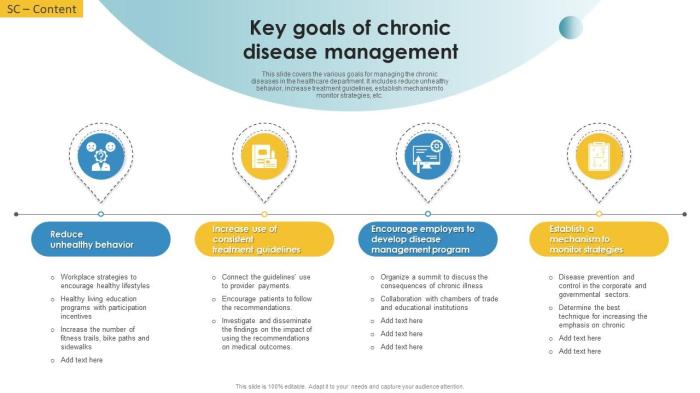
As Chronic Disease Management Tips takes center stage, this opening passage beckons readers into a world crafted with good knowledge, ensuring a reading experience that is both absorbing and distinctly original. Chronic diseases affect millions worldwide, but with the right tips and strategies, managing them can become more manageable and less daunting. Let’s delve into some practical advice for improving health outcomes and overall well-being.
CHRONIC DISEASES

Chronic diseases are long-lasting conditions that can be managed but not easily cured. They often develop slowly and persist over time. Examples of chronic diseases include diabetes, heart disease, asthma, cancer, and arthritis.Chronic diseases have a significant impact on individuals’ lives as they require ongoing medical attention, lifestyle adjustments, and sometimes long-term medication. These conditions can affect a person’s quality of life, daily activities, and overall well-being.
Moreover, chronic diseases impose a considerable burden on healthcare systems due to the need for continuous monitoring, management, and treatment.
Prevalence of Chronic Diseases
Chronic diseases are a major global health concern, with a high prevalence across the world. According to the World Health Organization (WHO), chronic diseases account for a significant number of deaths worldwide each year. The rise in chronic diseases is attributed to various factors, including aging populations, unhealthy lifestyles, and environmental influences.
Common Risk Factors
Several common risk factors are associated with the development of chronic diseases. These include:
- Poor diet and nutrition
- Lack of physical activity
- Tobacco use
- Excessive alcohol consumption
- Obesity
- Genetic predisposition
These risk factors can increase the likelihood of developing chronic conditions and exacerbate existing health issues.
CHRONIC DISEASE MANAGEMENT TIPS
Managing chronic diseases effectively requires a combination of lifestyle changes, medication adherence, regular physical activity, and stress management techniques. These tips can help individuals better cope with their conditions and improve their overall well-being.
Lifestyle Changes for Chronic Disease Management
Making certain lifestyle changes can greatly impact the management of chronic diseases. Some key changes include:
- Adopting a healthy diet rich in fruits, vegetables, whole grains, and lean proteins.
- Quitting smoking and limiting alcohol consumption.
- Maintaining a healthy weight through regular exercise and portion control.
- Getting an adequate amount of sleep each night to support overall health.
Importance of Medication Adherence
Medication adherence is crucial in managing chronic diseases as prescribed by healthcare providers. Skipping doses or not following the recommended treatment plan can lead to complications and worsen symptoms. It is essential to take medications on time and as directed to control the condition effectively.
Benefits of Regular Physical Activity
Engaging in regular physical activity can provide numerous benefits for individuals with chronic diseases, such as:
- Improving cardiovascular health and reducing the risk of heart-related complications.
- Managing weight and reducing the risk of obesity-related conditions.
- Increasing energy levels and improving overall mood and mental well-being.
- Enhancing flexibility, strength, and mobility to better cope with daily activities.
Role of Stress Management Techniques
Stress management techniques play a vital role in managing chronic conditions, including:
- Practicing mindfulness, meditation, or deep breathing exercises to reduce stress levels.
- Engaging in hobbies or activities that promote relaxation and mental well-being.
- Seeking support from friends, family, or support groups to cope with emotional challenges.
- Setting realistic goals and priorities to minimize stress and maintain a balanced lifestyle.
In conclusion, Chronic Disease Management Tips provide a roadmap to navigate the complexities of living with chronic conditions. By incorporating lifestyle changes, medication adherence, physical activity, and stress management techniques, individuals can take proactive steps towards a healthier future. Embracing these tips can lead to a more fulfilling life despite the challenges posed by chronic diseases.
Answers to Common Questions
How important is medication adherence in managing chronic diseases?
Medication adherence is crucial in effectively managing chronic diseases as it ensures that the prescribed treatment plan is followed consistently, leading to better health outcomes.
What lifestyle changes can help with chronic disease management?
Healthy lifestyle changes such as a balanced diet, regular exercise, stress management, and avoiding harmful habits like smoking can significantly impact the management of chronic diseases.


