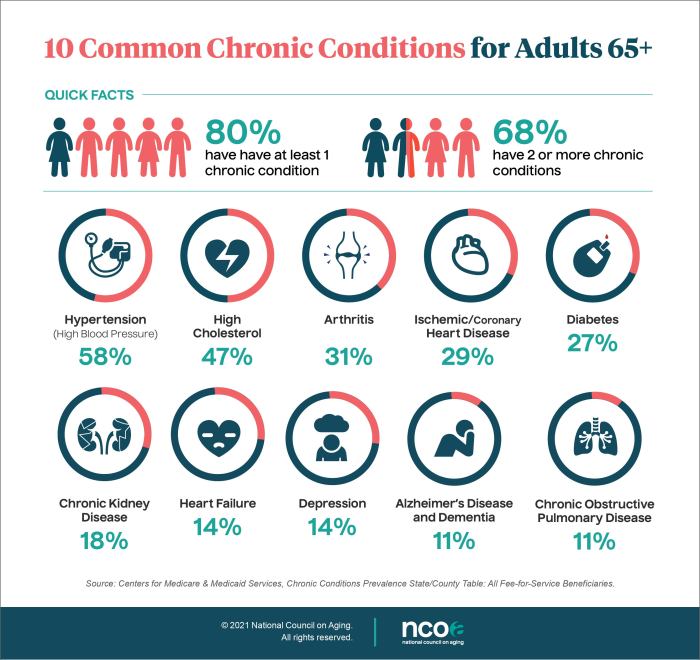
What are Chronic Diseases? sets the stage for this intriguing exploration, delving into the complexities of these conditions with a blend of clarity and depth.
As we unravel the layers of chronic diseases, we uncover their profound implications on health and well-being, shedding light on prevention strategies and treatment approaches.
Introduction to Chronic Diseases
Chronic diseases are long-lasting conditions that typically progress slowly over time. These conditions often cannot be cured, but they can be managed with proper medical treatment and lifestyle changes.Chronic diseases differ from acute diseases in that they persist for an extended period, sometimes for the rest of a person’s life, whereas acute diseases are short-term and often resolve on their own or with treatment.
Acute diseases have a sudden onset and are usually more severe in nature.Some common examples of chronic diseases include:
Diabetes
- Type 2 diabetes
- Gestational diabetes
Cardiovascular Disease
- Coronary artery disease
- Hypertension
Chronic Respiratory Diseases
- Asthma
- Chronic obstructive pulmonary disease (COPD)
Causes and Risk Factors
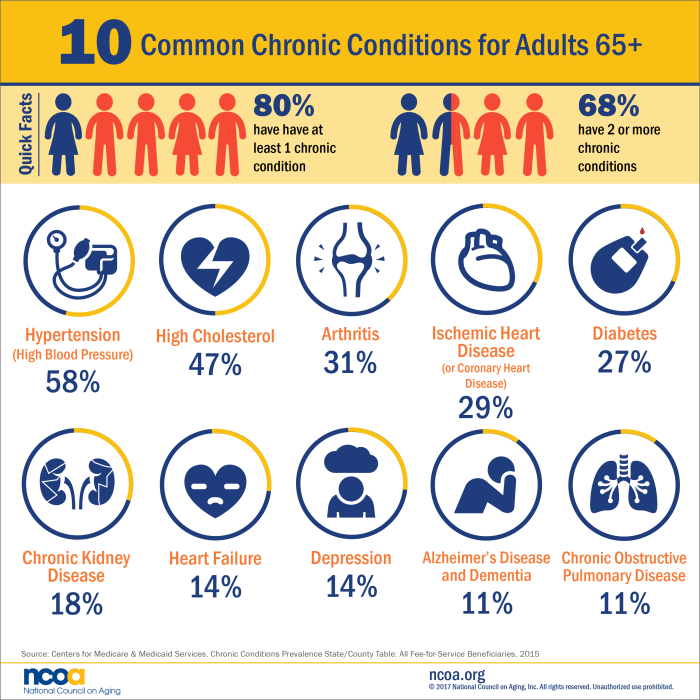
Chronic diseases can arise from a combination of factors, including genetics, lifestyle choices, and environmental influences. Understanding the causes and risk factors associated with chronic diseases is crucial in prevention and management.
Primary Causes of Chronic Diseases
- Poor diet: Consuming high amounts of processed foods, sugar, and unhealthy fats can increase the risk of developing chronic conditions such as heart disease, diabetes, and obesity.
- Lack of physical activity: Sedentary lifestyles contribute to the development of chronic diseases like hypertension, osteoporosis, and certain types of cancer.
- Smoking and excessive alcohol consumption: Tobacco use and heavy drinking are major risk factors for chronic respiratory diseases, liver cirrhosis, and various cancers.
- Environmental factors: Exposure to pollutants, chemicals, and toxins in the air, water, or workplace can play a role in the development of chronic conditions.
Lifestyle Factors Contributing to Chronic Diseases
- Obesity: Being overweight or obese increases the likelihood of developing chronic diseases such as type 2 diabetes, cardiovascular disease, and arthritis.
- Stress: Chronic stress can weaken the immune system, leading to a higher susceptibility to conditions like depression, anxiety disorders, and autoimmune diseases.
- Poor sleep habits: Inadequate sleep or sleep disorders can contribute to the onset of chronic conditions like hypertension, heart disease, and obesity.
Genetic Role in Chronic Diseases
Genetics also play a significant role in the development of chronic diseases. Certain genetic variations can predispose individuals to conditions such as cancer, Alzheimer’s disease, and autoimmune disorders. Understanding one’s genetic risk factors can help in early detection and personalized treatment plans for managing chronic diseases effectively.
Impact on Health
Chronic diseases can have a profound impact on overall health and well-being. These conditions often require ongoing management and treatment, leading to physical, emotional, and mental challenges for individuals affected by them.
Long-term Consequences of Untreated Chronic Diseases
Untreated chronic diseases can lead to a variety of serious health complications. For example, uncontrolled diabetes can result in nerve damage, kidney failure, and vision problems. Similarly, untreated hypertension can increase the risk of heart disease, stroke, and other cardiovascular issues. It is crucial to address chronic diseases promptly to prevent these long-term consequences.
Emotional and Mental Health Impact
Living with a chronic disease can take a toll on emotional and mental well-being. The constant management of symptoms, lifestyle changes, and potential limitations can lead to feelings of anxiety, depression, and stress. Additionally, the uncertainty of living with a chronic condition can affect one’s overall quality of life and sense of control. Seeking support from healthcare professionals, support groups, and loved ones is essential in managing the emotional and mental health impact of chronic diseases.
Diagnosis and Treatment
Diagnosing and treating chronic diseases play a crucial role in managing these conditions effectively. Early detection and intervention can significantly improve outcomes for individuals living with chronic illnesses.
Diagnostic Procedures for Chronic Diseases
Diagnosing chronic diseases often involves a combination of medical history review, physical examinations, laboratory tests, imaging studies, and biopsies. These procedures help healthcare providers identify the specific condition and its severity.
Treatment Options for Chronic Diseases
- Medications: Prescription drugs are commonly used to manage symptoms, slow disease progression, or prevent complications in chronic diseases.
- Lifestyle Modifications: Adopting a healthy diet, regular exercise routine, stress management techniques, and avoiding harmful habits like smoking can positively impact chronic disease management.
- Therapies: Physical therapy, occupational therapy, speech therapy, and other rehabilitative therapies can improve quality of life for individuals with chronic conditions.
- Surgeries: In some cases, surgical procedures may be necessary to treat or alleviate symptoms of chronic diseases.
Importance of Early Detection and Intervention
Early detection of chronic diseases allows for timely treatment initiation, which can prevent further complications and improve long-term outcomes. Regular screenings, health check-ups, and awareness of risk factors are essential for early intervention in chronic disease management.
Prevention Strategies
Preventing chronic diseases is crucial for maintaining overall health and well-being. By adopting healthy lifestyle habits and undergoing regular health screenings, individuals can significantly reduce their risk of developing these conditions.
Role of Diet and Exercise
Eating a balanced diet rich in fruits, vegetables, whole grains, and lean proteins is essential for preventing chronic diseases. Limiting the intake of processed foods, sugar, and unhealthy fats can help lower the risk of conditions such as heart disease, diabetes, and obesity. Regular physical activity, such as aerobic exercises, strength training, and flexibility exercises, also plays a key role in preventing chronic diseases.
Exercise helps maintain a healthy weight, improves cardiovascular health, and boosts overall immunity.
Significance of Regular Health Screenings
Regular health screenings are vital in detecting potential health issues early on and preventing the progression of chronic diseases. Screenings such as blood pressure checks, cholesterol tests, blood sugar monitoring, and cancer screenings can help identify risks and allow for timely intervention. It is important to follow the recommended screening guidelines based on age, gender, and family history to ensure early detection and prevention of chronic conditions.
In conclusion, What are Chronic Diseases? encapsulates the essence of these conditions, emphasizing the importance of awareness, early detection, and proactive health management.
Essential FAQs
What are the common lifestyle factors that contribute to chronic diseases?
Lifestyle factors such as smoking, poor diet, lack of physical activity, and excessive alcohol consumption can contribute to the development of chronic diseases.
How do genetics play a role in the development of chronic diseases?
Genetics can influence an individual’s susceptibility to certain chronic diseases, making them more predisposed to developing these conditions.
Why is early detection crucial in managing chronic diseases?
Early detection allows for timely intervention and treatment, which can help prevent further progression of the disease and improve outcomes.


