Starting with The Cost of Chronic Diseases, this introduction delves into the significant repercussions on both finances and society, shedding light on the complexities of managing chronic conditions.
Providing insights into the economic burden, productivity loss, social implications, and lifestyle factors associated with chronic diseases, this discussion aims to broaden awareness and understanding.
Introduction to Chronic Diseases
Chronic diseases are long-term health conditions that typically progress slowly over time and often have no cure. Examples of chronic diseases include heart disease, diabetes, cancer, and arthritis.These conditions can have a significant impact on individuals, affecting their quality of life, daily functioning, and overall well-being. Chronic diseases also place a heavy burden on healthcare systems due to the long-term management and treatment required.
Global Prevalence of Chronic Diseases
Chronic diseases are a major public health concern worldwide, with a high prevalence in both developed and developing countries. According to the World Health Organization (WHO), chronic diseases account for a significant portion of the global disease burden, leading to millions of premature deaths each year.
- Cardiovascular diseases, including heart disease and stroke, are among the leading causes of death globally.
- Diabetes is a growing epidemic, with an increasing number of people affected by the condition.
- Cancer is a major contributor to the global burden of disease, with various types affecting individuals of all ages.
- Respiratory diseases, such as chronic obstructive pulmonary disease (COPD), are a significant cause of morbidity and mortality worldwide.
Financial Burden of Chronic Diseases
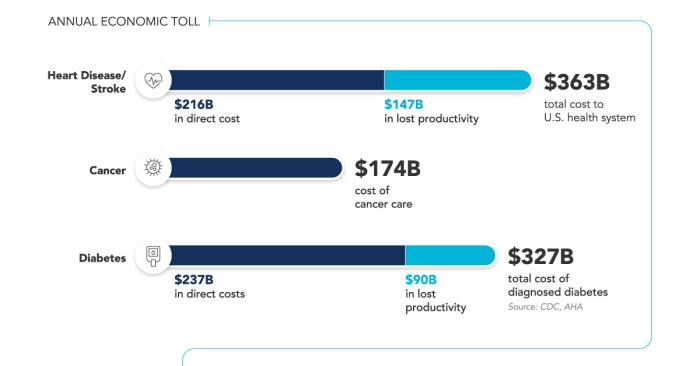
Chronic diseases not only take a toll on individuals’ health but also have a significant financial impact on both patients and healthcare systems. The economic costs associated with chronic diseases are staggering and continue to rise as the prevalence of these conditions increases.
Costs of Managing Chronic Diseases vs. Preventive Measures
Managing chronic diseases involves ongoing medical treatments, medications, hospitalizations, and other healthcare services. These costs can add up quickly and become a financial burden for patients, especially those without adequate insurance coverage. On the other hand, investing in preventive measures such as regular screenings, healthy lifestyle choices, and early interventions can help reduce the incidence of chronic diseases and their associated costs in the long run.
Statistics on Healthcare Spending Related to Chronic Diseases
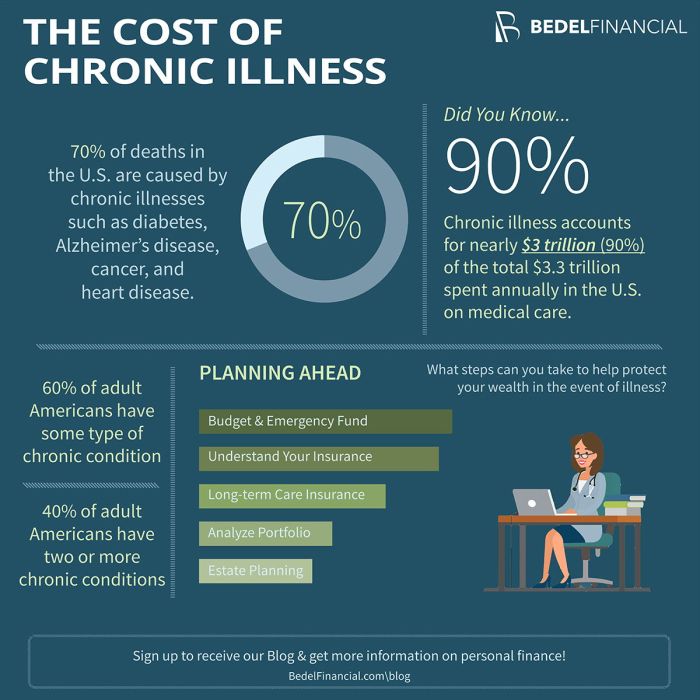
According to the Centers for Disease Control and Prevention (CDC), chronic diseases account for the majority of healthcare spending in the United States. In 2016, 90% of the nation’s $3.3 trillion in annual healthcare expenditures were for people with chronic and mental health conditions. This highlights the substantial financial impact that chronic diseases have on the healthcare system and the economy as a whole.
Productivity Loss and Chronic Diseases
Chronic diseases can significantly impact productivity in the workplace, leading to various challenges for both employees and employers. The effects of these conditions go beyond just the individual’s health, extending to economic implications on a larger scale.
Absenteeism and Presenteeism
Chronic diseases often result in increased absenteeism, where employees are unable to work due to their health conditions. This can lead to a decrease in overall productivity as tasks are left unfinished or delayed. Moreover, presenteeism is another issue that arises when employees come to work despite being ill, leading to reduced efficiency and quality of work.
Long-term Economic Impact
The long-term consequences of reduced productivity due to chronic diseases can have a significant impact on the economy. As more individuals are affected by these conditions, there is a collective decrease in workforce efficiency and output. This can result in higher healthcare costs, lower GDP growth, and overall economic instability.
Social Implications of Chronic Diseases
Chronic diseases not only affect individuals physically and financially but also have significant social implications. The stigma attached to certain chronic illnesses, the impact on relationships and mental well-being, and disparities in access to healthcare all contribute to the social burden of chronic diseases.
Social Stigma
Chronic diseases such as HIV/AIDS, mental health disorders, and certain autoimmune conditions are often associated with stigma in society. This stigma can lead to discrimination, isolation, and negative stereotypes, affecting the individual’s self-esteem and overall well-being.
Relationships and Mental Well-being
Chronic diseases can strain relationships with family, friends, and colleagues due to the increased care needs, financial burden, and emotional toll they bring. Managing a chronic condition can also lead to anxiety, depression, and other mental health issues, impacting the individual’s quality of life and social interactions.
Disparities in Healthcare Access
Individuals with chronic diseases may face disparities in access to healthcare services, including preventive care, treatment options, and support resources. Factors such as income level, education, geographic location, and social determinants of health can create barriers to receiving timely and adequate care, leading to poorer health outcomes and increased social inequality.
Lifestyle Factors and Chronic Diseases
Living a healthy lifestyle plays a crucial role in preventing and managing chronic diseases. Factors such as diet, exercise, smoking, alcohol consumption, and stress can significantly impact disease development.
Role of Diet and Exercise
Proper nutrition and regular physical activity are essential in preventing chronic illnesses. A balanced diet rich in fruits, vegetables, whole grains, and lean proteins can help maintain a healthy weight and reduce the risk of conditions like heart disease, diabetes, and cancer. Exercise also plays a key role in improving cardiovascular health, boosting immunity, and reducing stress levels.
Impact of Smoking, Alcohol Consumption, and Stress
Smoking, excessive alcohol consumption, and chronic stress can contribute to the development of various chronic diseases. Smoking is a major risk factor for lung cancer, heart disease, and respiratory conditions. Alcohol abuse can lead to liver disease, cardiovascular issues, and mental health disorders. Chronic stress can weaken the immune system, increase inflammation, and elevate the risk of conditions like hypertension and depression.
Lifestyle Changes for Managing Chronic Conditions
- Quitting smoking can significantly reduce the risk of developing lung cancer, heart disease, and respiratory illnesses.
- Limiting alcohol intake and practicing moderation can help prevent liver damage, heart problems, and mental health issues.
- Engaging in stress-reducing activities like yoga, meditation, or mindfulness can lower blood pressure, improve sleep quality, and enhance overall well-being.
- Adopting a healthy diet and regular exercise routine can help manage conditions like diabetes, obesity, and hypertension.
In conclusion, The Cost of Chronic Diseases underscores the urgent need for holistic approaches in addressing these health challenges, emphasizing the interconnectedness of financial, social, and lifestyle factors.
Clarifying Questions
How do chronic diseases impact healthcare systems?
Chronic diseases strain healthcare systems due to increased demand for long-term care and specialized treatments.
Can lifestyle changes help manage chronic conditions effectively?
Yes, adopting a healthy lifestyle through diet, exercise, and stress management can significantly improve the management of chronic diseases.
What are the social implications of chronic illnesses?
Chronic diseases can lead to social stigma, impact relationships, and affect mental well-being, highlighting the need for greater awareness and support.


