
Embark on a journey through the realm of Chronic Disease Prevention Programs, where insights and solutions converge to combat health challenges with precision and care.
Explore the depths of prevention strategies and their impact on individuals and communities alike.
CHRONIC DISEASES
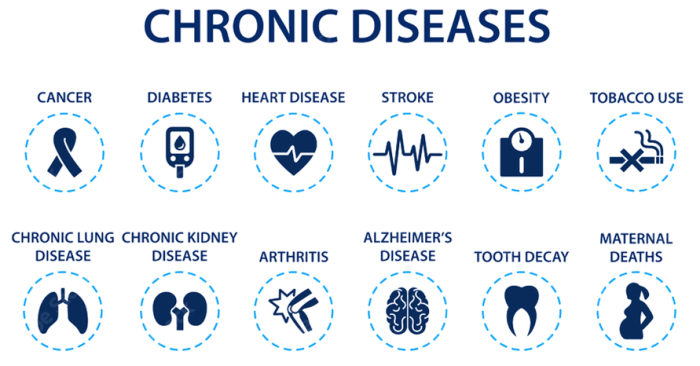
Chronic diseases are long-lasting conditions that typically progress slowly over time. They often cannot be cured completely but can be managed through proper treatment and lifestyle changes. Examples of chronic diseases include heart disease, diabetes, cancer, and arthritis.Chronic diseases have a significant impact on individuals as they can affect their quality of life, daily activities, and overall well-being. These conditions also place a heavy burden on healthcare systems due to the high costs associated with long-term management, treatment, and potential complications.
Common Risk Factors
- Unhealthy lifestyle choices such as poor diet, lack of physical activity, and tobacco use
- Genetic predisposition or family history of certain chronic conditions
- Exposure to environmental factors like pollution or toxins
- Aging, as many chronic diseases are more common in older adults
Prevention programs play a crucial role in managing chronic diseases by focusing on educating individuals about risk factors, promoting healthy behaviors, and providing access to early screening and interventions. These programs aim to reduce the incidence of chronic conditions, delay disease progression, and improve overall health outcomes for individuals at risk.
CHRONIC DISEASE PREVENTION PROGRAMS
Chronic disease prevention programs aim to reduce the incidence and impact of chronic illnesses through various interventions and strategies. These programs focus on promoting healthy behaviors, early detection, and management of risk factors to prevent the development of chronic conditions.
Goals of Chronic Disease Prevention Programs
- Encourage healthy lifestyle choices such as regular exercise, balanced diet, and avoiding tobacco and excessive alcohol consumption.
- Promote early screening and detection of chronic diseases to enable timely intervention and treatment.
- Educate the public about the importance of disease prevention and management to reduce the burden on healthcare systems.
- Empower individuals to take control of their health and make informed decisions regarding their well-being.
Key Components of an Effective Chronic Disease Prevention Program
- Community engagement and involvement in program design and implementation.
- Evidence-based interventions tailored to the specific needs of the target population.
- Multidisciplinary approach involving healthcare providers, public health professionals, policymakers, and community organizations.
- Continuous monitoring and evaluation of program outcomes to assess effectiveness and make necessary adjustments.
Types of Prevention Programs: Lifestyle Interventions vs. Vaccination Programs
- Lifestyle Interventions: Focus on promoting healthy behaviors such as physical activity, nutrition, and stress management to prevent chronic diseases like heart disease, diabetes, and obesity.
- Vaccination Programs: Aim to prevent infectious diseases by administering vaccines to individuals, reducing the risk of developing conditions like influenza, hepatitis, and human papillomavirus.
Examples of Successful Chronic Disease Prevention Programs
- The National Diabetes Prevention Program (NDPP) has been effective in reducing the risk of type 2 diabetes through lifestyle modifications and weight loss.
- The Human Papillomavirus (HPV) vaccination program has significantly decreased the incidence of HPV-related cancers and infections among adolescents and young adults.
- The Tobacco Control Program implemented in various countries has led to a decline in smoking rates and related diseases, improving public health outcomes.
STRATEGIES FOR IMPLEMENTATION
Implementing a successful chronic disease prevention program requires careful planning, collaboration, and engagement from various stakeholders. Here are some key strategies for developing and implementing such programs:
Steps for Developing a Chronic Disease Prevention Program
- Conduct a comprehensive needs assessment to identify the most prevalent chronic diseases in the target population.
- Set clear goals and objectives for the prevention program, ensuring they are specific, measurable, achievable, relevant, and time-bound (SMART).
- Develop evidence-based interventions and strategies that address the identified risk factors for chronic diseases.
- Establish partnerships with healthcare providers, community organizations, and other stakeholders to ensure a holistic approach to prevention.
- Secure funding and allocate resources effectively to support program activities and sustainability.
- Evaluate the program regularly to assess its impact, make necessary adjustments, and ensure continuous improvement.
Role of Healthcare Providers in Promoting Prevention Programs
- Healthcare providers play a crucial role in promoting prevention programs by educating patients about healthy lifestyle choices, risk factors for chronic diseases, and the importance of early detection and intervention.
- They can provide counseling, screening services, and referrals to support patients in managing their health and reducing their risk of developing chronic conditions.
- Healthcare providers can also advocate for policy changes, community initiatives, and resources that promote prevention and improve access to preventive services for underserved populations.
Engaging the Community in Chronic Disease Prevention Efforts
- Engage community members through outreach events, workshops, support groups, and educational campaigns to raise awareness about the importance of prevention and healthy behaviors.
- Involve community leaders, organizations, and stakeholders in decision-making processes, program planning, and implementation to ensure cultural relevance and acceptance.
- Foster partnerships with local businesses, schools, faith-based institutions, and other community entities to create a supportive environment for health promotion and disease prevention.
Monitoring and Evaluating the Effectiveness of Prevention Programs
- Establish key performance indicators (KPIs) and evaluation metrics to measure the success of the prevention program in achieving its goals and objectives.
- Collect and analyze data regularly to track outcomes, identify trends, and assess the impact of interventions on the target population.
- Use feedback from participants, stakeholders, and partners to make informed decisions, improve program quality, and ensure accountability and transparency.
PUBLIC HEALTH INITIATIVES
Public health initiatives play a crucial role in supporting chronic disease prevention by implementing various strategies aimed at promoting healthy behaviors, providing access to healthcare services, and creating supportive environments for individuals to make positive lifestyle changes.
Policy Implications of Implementing Prevention Programs
- Implementation of prevention programs requires the development and enforcement of policies that promote healthy living practices and create environments conducive to disease prevention.
- Policy implications include regulations on tobacco use, unhealthy food marketing, physical activity promotion, and access to preventive healthcare services.
- Effective policies can help reduce risk factors for chronic diseases and improve overall population health outcomes.
Role of Government Agencies in Funding and Supporting Prevention Efforts
- Government agencies play a critical role in funding and supporting chronic disease prevention efforts through grants, public health programs, and policy development.
- They allocate resources to support research, community-based interventions, and public awareness campaigns to address risk factors associated with chronic diseases.
- Government agencies collaborate with public health organizations, healthcare providers, and community stakeholders to implement evidence-based prevention strategies effectively.
Successful Collaborations between Public Health Organizations and Communities
- Collaborations between public health organizations and communities are essential for designing and implementing culturally relevant prevention programs that resonate with diverse populations.
- Community engagement allows for the identification of unique health needs, preferences, and barriers to accessing healthcare services, leading to tailored interventions that are more effective.
- Successful collaborations result in increased community participation, improved health outcomes, and sustainable prevention efforts that address the root causes of chronic diseases.
In conclusion, Chronic Disease Prevention Programs stand as pillars of hope in the battle against chronic illnesses, offering a beacon of light for a healthier future.
Questions Often Asked
How can chronic disease prevention programs benefit individuals?
Prevention programs can help individuals adopt healthier lifestyles and reduce their risk of developing chronic diseases.
What are some key components of an effective prevention program?
Key components include education, regular screenings, access to healthcare, and community support.
Are vaccination programs considered a type of prevention program?
Yes, vaccination programs are crucial in preventing the spread of infectious diseases that can lead to chronic conditions.


