
Exploring Chronic Diseases and Their Risk Factors, this introduction delves into the impact of these conditions on individuals and how various factors contribute to their development.
It also sheds light on the role of diet and exercise in managing and preventing chronic diseases, providing a comprehensive overview of this critical health issue.
CHRONIC DISEASES
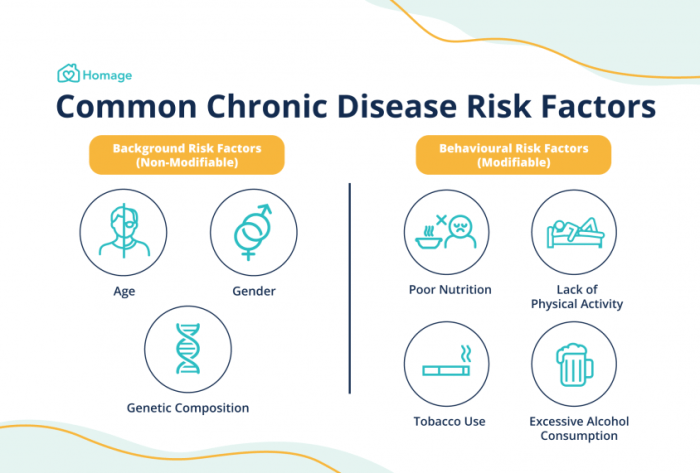
Chronic diseases are long-term health conditions that persist over an extended period, often for a lifetime. They differ from acute conditions, which are usually short-term and may be resolved with treatment.Common chronic diseases prevalent in society include:
- Diabetes: a condition that affects the body’s ability to regulate blood sugar levels.
- Heart Disease: a range of conditions that affect the heart’s function, including coronary artery disease.
- Chronic Obstructive Pulmonary Disease (COPD): a group of lung conditions that make it difficult to breathe.
- Arthritis: inflammation of the joints leading to pain and stiffness.
Chronic diseases have a significant impact on individuals’ quality of life, affecting their daily activities, work, and overall well-being. Managing these conditions often requires ongoing medical care, lifestyle changes, and the use of medications to control symptoms and prevent complications.
RISK FACTORS
Chronic diseases can be influenced by a variety of risk factors that increase the likelihood of developing these conditions. Understanding these risk factors is crucial in preventing and managing chronic diseases.
Lifestyle Choices
Lifestyle choices play a significant role in the development of chronic diseases. Factors such as poor diet, lack of physical activity, smoking, excessive alcohol consumption, and stress can all contribute to the risk of developing conditions like heart disease, diabetes, and certain types of cancer.
Genetics and Family History
Genetics and family history can also influence the likelihood of developing chronic diseases. Individuals with a family history of conditions such as heart disease, diabetes, or certain types of cancer may be at a higher risk of developing these conditions themselves. Additionally, genetic predispositions can play a role in how the body responds to certain risk factors, further increasing the risk of chronic diseases.
DIET AND CHRONIC DISEASES
Adopting a healthy diet is crucial in preventing and managing chronic diseases. The foods we consume can either increase or decrease the risk of developing these conditions.
Role of Diet in Prevention and Management
Our diet plays a significant role in preventing chronic diseases such as diabetes, heart disease, and cancer. Consuming a balanced diet rich in fruits, vegetables, whole grains, lean proteins, and healthy fats can help reduce inflammation, regulate blood sugar levels, and maintain a healthy weight.
Foods That Reduce Risk
- Leafy green vegetables: Rich in antioxidants and fiber, they can help reduce the risk of heart disease.
- Fatty fish: High in omega-3 fatty acids, they can lower the risk of developing heart disease and improve brain health.
- Berries: Packed with antioxidants, they can help protect against cancer and inflammation.
- Nuts and seeds: Good sources of healthy fats, fiber, and protein, they can help lower cholesterol levels and reduce the risk of diabetes.
Impact of Dietary Choices
Unhealthy dietary choices, such as consuming processed foods high in sugar, salt, and unhealthy fats, can contribute to the progression of chronic diseases. These foods can lead to obesity, insulin resistance, high blood pressure, and other risk factors associated with chronic conditions.
EXERCISE AND CHRONIC DISEASES
Regular physical activity plays a crucial role in preventing and managing chronic diseases. Exercise has been shown to have numerous benefits for overall health and well-being, including reducing the risk of developing various chronic conditions.
Relationship Between Physical Activity and Chronic Disease Prevention
Regular exercise is linked to a lower risk of developing chronic diseases such as heart disease, type 2 diabetes, obesity, and certain types of cancer. Physical activity helps improve cardiovascular health, maintain a healthy weight, regulate blood sugar levels, and strengthen the immune system. By incorporating exercise into your routine, you can significantly reduce the chances of developing these health conditions.
Recommended Exercise Guidelines for Individuals at Risk of Chronic Conditions
The American Heart Association recommends at least 150 minutes of moderate-intensity aerobic activity or 75 minutes of vigorous-intensity aerobic activity per week for adults to maintain cardiovascular health and reduce the risk of chronic diseases. Additionally, strength training exercises should be performed at least two days a week to improve muscle strength and endurance.
Benefits of Regular Exercise in Managing Chronic Diseases
Regular physical activity can help manage chronic conditions such as hypertension, diabetes, and arthritis. Exercise can improve blood pressure, blood sugar levels, and joint flexibility, leading to better overall health outcomes for individuals with these conditions. By staying active, individuals can better control their chronic diseases and reduce the risk of complications.
In conclusion, understanding the relationship between chronic diseases and their risk factors is crucial for maintaining a healthy lifestyle and reducing the burden of these conditions.
Commonly Asked Questions
What are some common chronic diseases?
Common chronic diseases include diabetes, heart disease, and hypertension.
How can genetics influence the development of chronic diseases?
Genetics can play a role in predisposing individuals to certain chronic conditions, making them more susceptible.


