
Kicking off with How to Manage Chronic Diseases, this opening paragraph is designed to captivate and engage the readers, providing an overview of the strategies and approaches to effectively manage chronic conditions.
We will delve into the impact of chronic diseases, the importance of early detection, lifestyle changes, medical treatments, emotional well-being, and more.
CHRONIC DISEASES
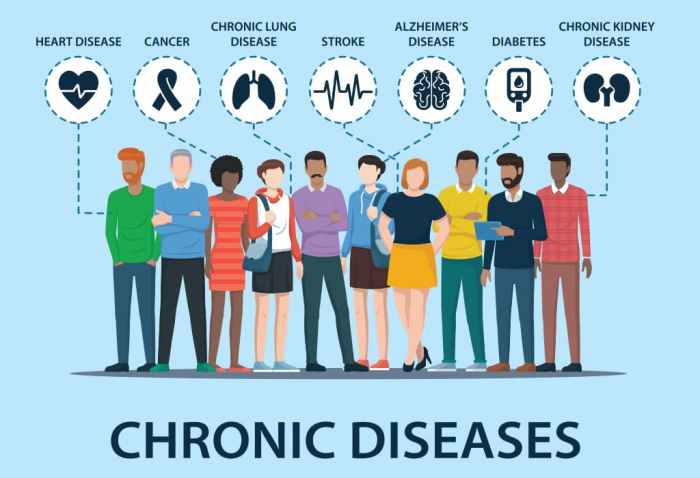
Chronic diseases are long-term health conditions that persist over an extended period of time, often for the duration of a person’s life. These diseases typically progress slowly and may require ongoing management and treatment to control symptoms and prevent complications. Examples of chronic diseases include diabetes, heart disease, hypertension, asthma, arthritis, and cancer.Chronic diseases have a significant impact on individuals, affecting their quality of life, daily functioning, and overall well-being.
These conditions can lead to disabilities, reduced mobility, and increased risk of other health issues. Additionally, chronic diseases pose a substantial burden on healthcare systems, leading to higher healthcare costs, increased hospitalizations, and a greater demand for medical resources.One key difference between chronic and acute diseases is the duration of the condition. Acute diseases are short-term illnesses that often resolve on their own or with medical intervention within a relatively short period.
In contrast, chronic diseases persist over a longer period of time and require ongoing management to control symptoms and prevent complications. Acute diseases typically have a rapid onset and a defined course of treatment, while chronic diseases may require lifelong care and monitoring.
UNDERSTANDING CHRONIC DISEASE MANAGEMENT
Chronic disease management involves a comprehensive approach to caring for individuals with long-term health conditions. It focuses on improving the quality of life for patients, reducing symptoms, and preventing complications associated with chronic diseases.The goals of managing chronic diseases include controlling symptoms, slowing down the progression of the disease, improving overall health, and enhancing the patient’s ability to function in daily life.
By addressing these goals, healthcare providers aim to empower patients to take an active role in managing their condition and making informed decisions about their health.Early detection and intervention play a crucial role in managing chronic diseases effectively. Detecting a chronic condition in its early stages allows for timely treatment and interventions that can prevent further complications, reduce the severity of symptoms, and improve the patient’s quality of life.
Regular screenings, monitoring of symptoms, and adherence to treatment plans are essential components of early detection and intervention strategies for managing chronic diseases.
LIFESTYLE CHANGES AND CHRONIC DISEASES
When it comes to managing chronic diseases, lifestyle changes play a crucial role in improving overall health and well-being. Two key components of lifestyle changes include diet and nutrition, as well as regular exercise.
Role of Diet and Nutrition
Eating a balanced and nutritious diet is essential for managing chronic diseases. A diet rich in fruits, vegetables, whole grains, lean proteins, and healthy fats can help control blood sugar levels, reduce inflammation, and maintain a healthy weight. It is important to limit the intake of processed foods, sugary beverages, and high-fat foods to prevent exacerbating chronic conditions.
Importance of Regular Exercise
Regular exercise is vital for preventing and managing chronic diseases. Physical activity helps improve cardiovascular health, strengthen muscles, boost metabolism, and enhance overall quality of life. Engaging in activities such as walking, swimming, cycling, or strength training can help reduce the risk of developing chronic conditions like heart disease, diabetes, and obesity.
Examples of Lifestyle Changes
- Engage in at least 150 minutes of moderate-intensity exercise per week.
- Avoid smoking and limit alcohol consumption to reduce the risk of developing chronic diseases.
- Monitor blood pressure, blood sugar, and cholesterol levels regularly to manage conditions like hypertension, diabetes, and heart disease.
- Practice stress-reducing activities such as yoga, meditation, or deep breathing exercises to improve mental well-being and overall health.
MEDICAL TREATMENTS FOR CHRONIC DISEASES
Medical treatments play a crucial role in managing chronic diseases and improving the quality of life for patients. These treatments often involve a combination of medications, therapies, and interventions tailored to the specific condition of the individual.
Common Medical Treatments
- Medications: Prescription drugs are commonly used to control symptoms, slow down the progression of the disease, or manage complications. These may include pain relievers, anti-inflammatory drugs, immunosuppressants, insulin, or other specific medications depending on the condition.
- Therapies: Physical therapy, occupational therapy, speech therapy, or other rehabilitation programs may be recommended to improve mobility, function, or communication in chronic disease patients.
- Surgeries: In some cases, surgical interventions may be necessary to address the underlying cause of the chronic disease or to alleviate symptoms. This could involve procedures such as joint replacement, organ transplant, or bypass surgery.
Importance of Medication Adherence
Medication adherence, or taking medications as prescribed by healthcare providers, is crucial in controlling chronic diseases. Skipping doses, altering dosages, or stopping medications without medical advice can lead to worsening symptoms, complications, or treatment failure. It is essential for patients to follow their prescribed medication regimen diligently to achieve optimal outcomes and prevent disease progression.
Role of Healthcare Providers
- Diagnosis and Treatment: Healthcare providers play a key role in diagnosing chronic diseases through thorough evaluation, medical tests, and symptom assessment. They develop personalized treatment plans that may include medications, therapies, lifestyle modifications, or referrals to specialists.
- Monitoring and Adjustment: Healthcare providers monitor the progress of chronic disease management, assess treatment effectiveness, and make adjustments to the care plan as needed. Regular follow-up visits, lab tests, and imaging studies help track the disease status and response to treatment.
- Educational Support: Healthcare providers educate patients about their chronic condition, treatment options, potential side effects of medications, and self-care strategies. They empower patients to actively participate in their healthcare, make informed decisions, and adopt healthy behaviors to manage their disease effectively.
EMOTIONAL WELL-BEING AND CHRONIC DISEASES
Chronic diseases not only impact physical health but also have a significant effect on mental well-being. The emotional aspects of living with a chronic disease can be challenging and often overlooked, but it is crucial to address these issues for holistic management.
Impact of Chronic Diseases on Mental Health
Living with a chronic disease can lead to feelings of anxiety, depression, stress, and isolation. The constant management of symptoms, medical appointments, and lifestyle changes can take a toll on a person’s mental health. It is common for individuals with chronic diseases to experience a range of emotions, including fear of the future, frustration, and sadness.
Strategies for Coping with Emotional Aspects
Seek professional help
Talking to a therapist or counselor can provide valuable support in managing emotional challenges.
Practice self-care
Engage in activities that promote relaxation and reduce stress, such as meditation, yoga, or hobbies.
Connect with others
Joining support groups or talking to friends and family members can help in feeling understood and less alone.
Stay informed
Educating yourself about your condition can empower you and alleviate fears or uncertainties.
Importance of a Strong Support System
Having a strong support system is crucial for individuals managing chronic diseases. Support from family, friends, healthcare providers, and support groups can provide emotional support, practical help, and a sense of belonging. Knowing that you are not alone in your journey can make a significant difference in coping with the challenges of living with a chronic disease.
Concluding our discussion on managing chronic diseases, it is evident that a holistic approach encompassing lifestyle modifications, medical treatments, and emotional support is vital for individuals dealing with chronic conditions.
FAQ Insights
How can diet and nutrition help in managing chronic diseases?
Diet and nutrition play a crucial role in managing chronic diseases by providing essential nutrients and supporting overall health, helping to control symptoms and improve quality of life.
What are some examples of lifestyle changes that can assist in controlling chronic diseases?
Examples include regular exercise, stress management techniques, adequate sleep, and smoking cessation, all of which contribute to better disease management and overall well-being.
Why is medication adherence important in controlling chronic diseases?
Adherence to prescribed medications ensures that the treatment plan is followed consistently, leading to better disease management, symptom control, and prevention of complications.
How do chronic diseases affect mental health?
Chronic diseases can impact mental health by causing stress, anxiety, depression, and feelings of isolation. It is essential to address these emotional aspects for overall well-being.
Why is a strong support system crucial for individuals managing chronic diseases?
A strong support system provides emotional support, encouragement, and assistance with daily challenges, enhancing coping mechanisms and improving the overall quality of life for individuals dealing with chronic conditions.


