Exploring the realm of chronic diseases in older adults reveals the complexities of their impact on health and well-being, highlighting the importance of proactive management and prevention strategies.
As we delve deeper into this topic, we uncover the key factors influencing the development, treatment, and prevention of chronic conditions in the elderly population.
CHRONIC DISEASES
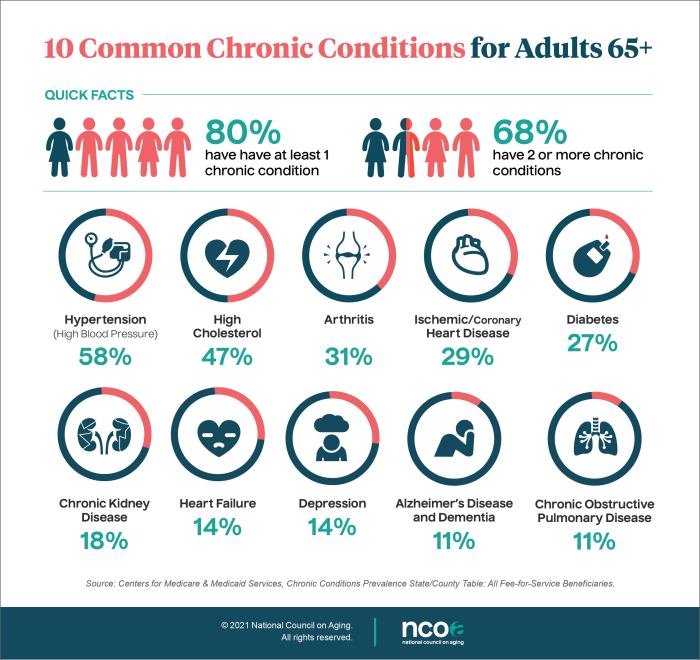
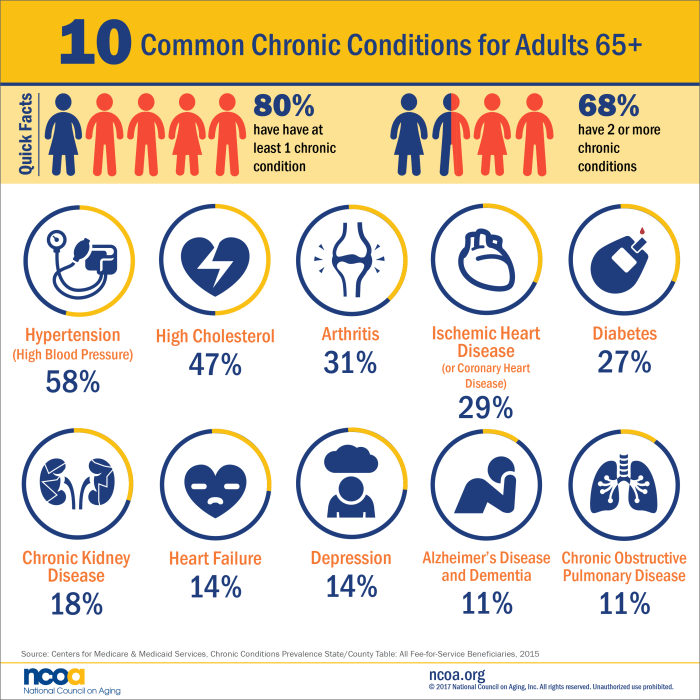
Chronic diseases are long-term health conditions that persist over an extended period, usually lasting for a year or more. They differ from acute conditions, which are short-term and often have a sudden onset.Common types of chronic diseases prevalent in older adults include:
1. Cardiovascular Diseases
- Hypertension
- Coronary artery disease
- Heart failure
2. Diabetes
- Type 2 diabetes
- Gestational diabetes
3. Arthritis
- Osteoarthritis
- Rheumatoid arthritis
4. Chronic Respiratory Diseases
- Chronic obstructive pulmonary disease (COPD)
- Asthma
The impact of chronic diseases on the overall health and quality of life of older adults is profound. These conditions often require ongoing management, leading to a decreased ability to perform daily activities, increased healthcare costs, and a higher risk of complications. It is essential for older adults to receive proper medical care and support to manage these chronic diseases effectively.
RISK FACTORS
Chronic diseases in older adults are often influenced by a variety of risk factors that can contribute to their development. These factors can range from lifestyle choices to genetic predispositions, all playing a significant role in determining an individual’s susceptibility to chronic conditions.
Lifestyle Choices and Chronic Diseases
One of the key risk factors for chronic diseases in older adults is lifestyle choices. Factors such as diet, exercise, and smoking can greatly influence the risk of developing chronic conditions. A diet high in processed foods and sugars, coupled with a sedentary lifestyle and smoking habits, can increase the likelihood of developing conditions such as heart disease, diabetes, and certain types of cancer.
Genetic Predispositions
Genetic predispositions also play a crucial role in determining an individual’s susceptibility to chronic diseases. Certain genetic factors can make some individuals more prone to developing conditions such as Alzheimer’s disease, arthritis, or cardiovascular issues. Understanding one’s genetic predispositions can help in taking proactive measures to prevent or manage these chronic conditions effectively.
MANAGEMENT AND TREATMENT
Managing chronic diseases in older adults requires a comprehensive approach that combines medication, therapy, and lifestyle modifications. Regular monitoring and follow-up care are essential for effective management.
Different Approaches to Managing Chronic Diseases
- Medication: Prescription drugs play a crucial role in managing chronic conditions such as hypertension, diabetes, and heart disease. It is important for older adults to adhere to their medication schedules as prescribed by healthcare providers.
- Therapy: Physical therapy, occupational therapy, and speech therapy can help older adults improve their mobility, independence, and overall quality of life. These therapies are tailored to individual needs and goals.
- Lifestyle Modifications: Adopting a healthy lifestyle through regular exercise, balanced nutrition, adequate sleep, and stress management can help prevent and manage chronic diseases. Older adults should also avoid smoking and excessive alcohol consumption.
Role of Medication, Therapy, and Lifestyle Modifications
- Medication: Prescription drugs help control symptoms, prevent complications, and slow disease progression. It is important for older adults to take their medications as directed and communicate any side effects to their healthcare providers.
- Therapy: Physical therapy can improve strength, flexibility, and balance, reducing the risk of falls and injuries. Occupational therapy focuses on daily living activities, while speech therapy addresses communication and swallowing difficulties.
- Lifestyle Modifications: Healthy habits such as regular physical activity, a balanced diet, and stress reduction can improve overall health and well-being. Older adults should work with healthcare professionals to develop a personalized plan.
Importance of Regular Monitoring and Follow-Up Care
- Regular monitoring: Routine check-ups, blood tests, and screenings can help healthcare providers track the progression of chronic diseases and adjust treatment plans accordingly. Monitoring can detect any complications early and prevent serious consequences.
- Follow-up care: By following up with healthcare providers as scheduled, older adults can ensure that their conditions are managed effectively and any concerns are addressed promptly. This ongoing care is essential for maintaining health and managing chronic diseases in the long term.
PREVENTION STRATEGIES
Preventive measures play a crucial role in reducing the risk of developing chronic diseases in older adults. By focusing on vaccinations, screenings, early detection, and health education, individuals can take proactive steps towards maintaining their well-being.
Significance of Vaccinations
Vaccinations are essential for older adults as they help boost immunity against various diseases. Influenza, pneumonia, and shingles vaccines are particularly important for this age group, as they can prevent severe complications and hospitalizations.
Importance of Screenings and Early Detection
Regular screenings such as mammograms, colonoscopies, and blood pressure checks can aid in the early detection of chronic conditions like cancer, heart disease, and hypertension. Early diagnosis allows for timely intervention and treatment, improving outcomes and quality of life.
Impact of Health Education and Awareness Programs
Health education initiatives can empower older adults to make informed decisions about their health. By increasing awareness about lifestyle modifications, healthy eating habits, and the importance of regular exercise, these programs encourage individuals to adopt preventive healthcare practices and reduce their risk of chronic diseases.
In conclusion, addressing chronic diseases in older adults requires a comprehensive approach that encompasses effective management, targeted treatments, and proactive preventive measures to enhance overall quality of life.
User Queries
What are some lesser-known risk factors for chronic diseases in older adults?
Some lesser-known risk factors include social isolation, lack of access to healthcare, and environmental pollutants.
How can family members support older adults with chronic diseases?
Family members can offer emotional support, help with medication management, accompany them to medical appointments, and assist with daily activities.


